Geography Reading Comprehension Worksheets
Geography gets treated like a filler class in a lot of schools, something you squeeze in before the real subjects start. That's backwards. This shelf starts with the basics of how maps actually work: latitude and longitude, map projections, and the tools that turn raw land into something you can read on paper or a screen.
From there it moves into physical geography (plate tectonics, biomes, climate zones, rivers and oceans), then into population and culture, and finally into political, economic, and urban geography: border disputes, types of government, colonialism, and how a city's infrastructure holds up, or doesn't, as it grows. None of it stays abstract for long. A kid who can't place a country on a map can usually tell you exactly why a border dispute matters once you frame it as a fight over land.
Every worksheet in this set is free, print-and-go, and comes with a full answer key, built for a sub day or a fast review before a test. The reading passages stay tight and the comprehension questions do the heavy lifting, so grading takes minutes instead of your whole planning period.
Unit 1
10 worksheets
Cartography Basics: How Maps Are Made and Interpreted
Latitude and Longitude: How to Find Any Point on Earth
Map Projections and Distortions: Why the World Isn’t Flat
Political vs. Physical Maps: What They Show and Why It Matters
Spatial Thinking and Geographic Inquiry: Asking the Right Questions
The Five Themes of Geography: Making Sense of Our World
Time Zones and the Prime Meridian: A Global Clock System
Tools of Geography: Maps, Globes, GPS, and GIS Explained Simply
Understanding Map Scale and Measuring Distance Accurately
What Is Geography? Exploring Our World Through a Geographer’s Eyes
Unit 2
27 worksheets
Biomes & Ecosystems: Life Across Earth’s Habitats
Climate vs. Weather: Understanding the Difference
Convergent Boundaries: Where Plates Collide
Deserts: Survival in the Harshest Climates
Divergent Boundaries: Where Plates Pull Apart
Earth’s Layers: From Crust to Core
Grasslands: Where Grasses Rule the Landscape
Lakes: Freshwater Reservoirs Shaping Ecosystems
Landforms 101: Mountains, Valleys, and Plains
Major Climate Zones: Polar, Temperate, Tropical
Mountains: Rising Giants of Earth’s Surface
Oceans: Earth’s Vastest Water System
Plate Tectonics & Natural Disasters Explained
Polar Climates: Life in the Coldest Zones on Earth
Rainforests: Earth’s Lush Biodiversity Hotspots
Rivers: Lifelines of the Landscape
Temperate Climates: Seasons and Changing Weather
The Core: Earth’s Fiery Center of Iron and Nickel
The Crust: Earth’s Outermost Layer and Home to Life
The Geosphere: Earth’s Solid Foundation
The Mantle: Earth’s Moving Middle Layer
Transform Boundaries: Sliding Plates and Earthquakes
Tropical Climates: Warm and Wet Year-Round
Tundra: The Frozen Frontier of Earth’s Biomes
Valleys: Lowlands Sculpted by Water and Ice
Water Systems 101: Rivers, Lakes, and Oceans
Weathering & Erosion: Forces Shaping the Land
Unit 3
10 worksheets
Birth Rates, Death Rates, and Life Expectancy Explained
Global Population Growth: Trends and Impacts
How Governments Shape Population Policies
Immigration vs. Emigration: What’s the Difference?
Mapping Population Density and Distribution Patterns
Overpopulation and Earth’s Carrying Capacity
Push and Pull Factors of Human Migration
Refugees and Displaced Populations: A Global Crisis
Understanding the Demographic Transition Model
Urbanization and the Rise of Mega Cities
Unit 4
10 worksheets
Cultural Diffusion and Exchange: How Ideas Spread Around the World
Cultural Landscapes: How Humans Shape and Reflect Culture on Land
Culture and Identity: How Geography Shapes Who We Are
Ethnicity and Race: Identity, Diversity, and Social Geography
Exploring the Elements of Culture: Language, Religion, and Customs
Folk Culture vs. Popular Culture: Local Traditions and Global Trends
Indigenous Cultures and Globalization: Change, Resilience, and Survival
Language Families and World Patterns: Mapping How We Communicate
Religion and Geography: Where Beliefs Shape Space and Society
What Is Culture? Understanding Human Beliefs, Values, and Traditions
Unit 5
10 worksheets
Colonialism and Imperialism: Shaping the Modern Political Map
Drawing the Lines: Borders, Boundaries, and Political Control
Geopolitics Explained: Power, Territory, and Global Influence
How Elections Are Mapped: A Guide to Electoral Geography
Nation, State, or Nation-State? Understanding Global Political Units
Political Conflicts and Border Disputes Around the World
Separatist Movements and the Fight for Independence
Supranational Organizations: The Power of Unity in a Divided World
The Geography of War and Peace: How Places Shape Conflict
Types of Government: From Democracies to Dictatorships
Unit 6
10 worksheets
Agriculture & Food Production: Feeding the Future
Economic Development Indicators: GDP, HDI & Beyond
Economic Sectors Explained: Primary, Secondary, Tertiary & Quaternary
Economic Systems Compared: Capitalism, Socialism & Mixed Models
Globalization & Outsourcing: Connecting World Economies
Industrial Resources & Sustainability: Balancing Growth
Industrialization & Global Trade: From Factories to Free Markets
Natural Resources & Distribution: Mapping Global Wealth
Tourism & Its Effects: Economic Growth and Local Impacts
Wealth Inequality & Poverty: Causes and Consequences
Unit 7
10 worksheets
City Transport & Infrastructure: Moving Millions Efficiently
Gentrification & Housing: Winners, Losers, and Choices
Megacities vs Global Cities: Powerhouses of Today
Smart Growth & Urban Planning: Designing Better Cities
Suburbanization & Sprawl: Causes, Costs, Consequences
Sustainable Cities: Green Solutions & Urban Resilience
Urban Challenges: Pollution, Crime, and Inequality
Urban Demographics & Migration: Who Moves to Cities and Why
Urban Models & Land Use: How Cities Are Organized
Urbanization: Why Cities Grow and What It Means
Unit 8
11 worksheets
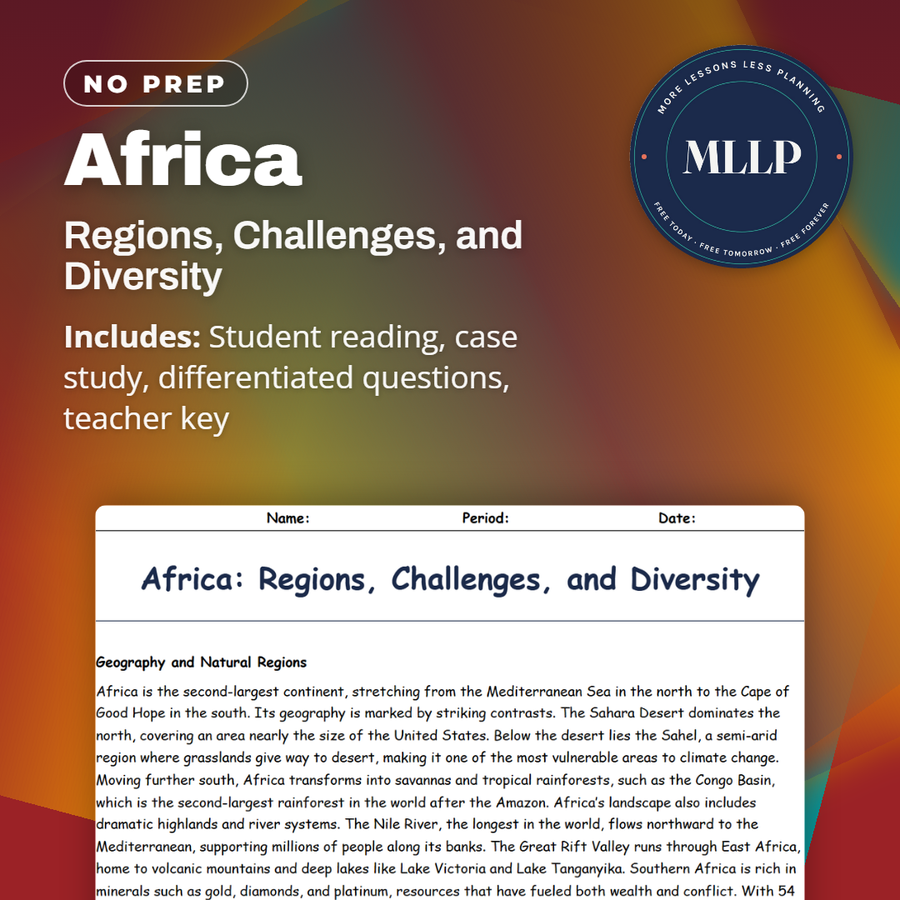
Africa: Regions, Challenges, and Diversity
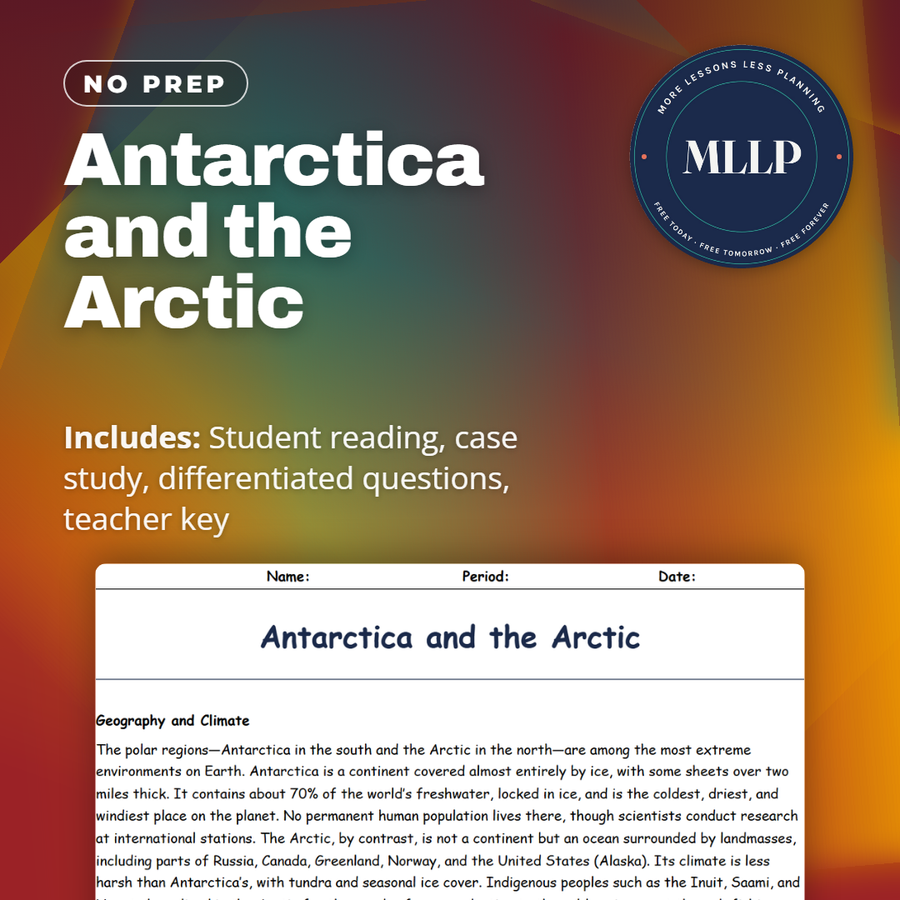
Antarctica and the Arctic
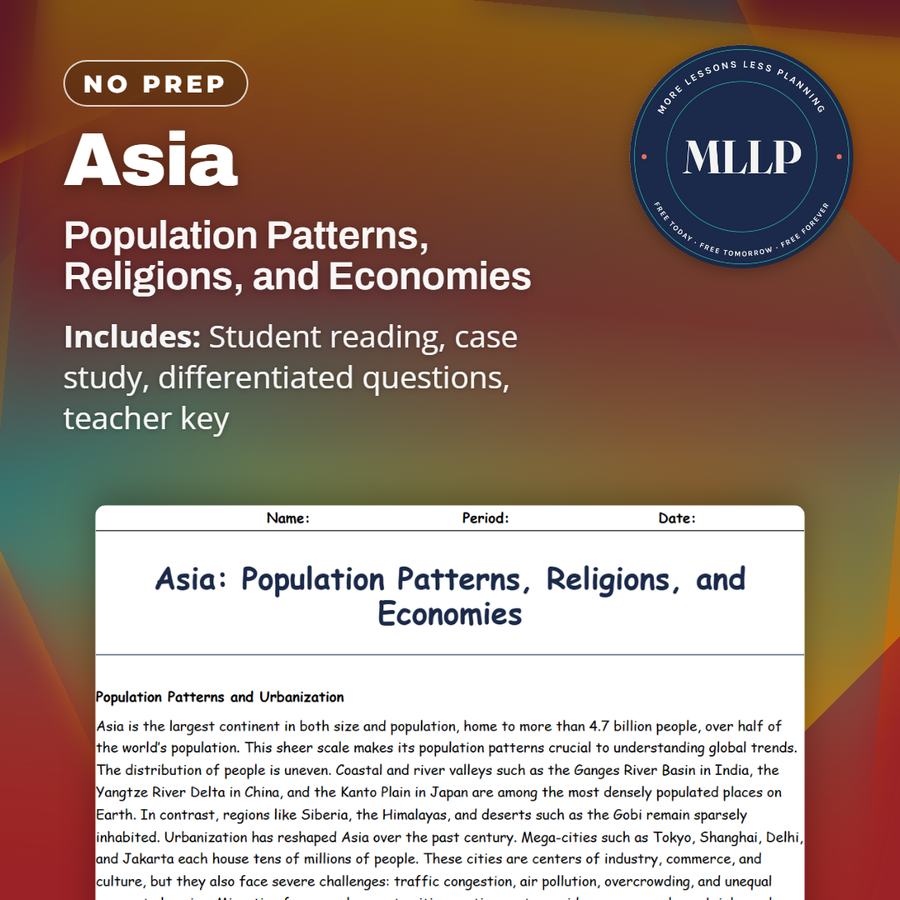
Asia: Population Patterns, Religions, and Economies
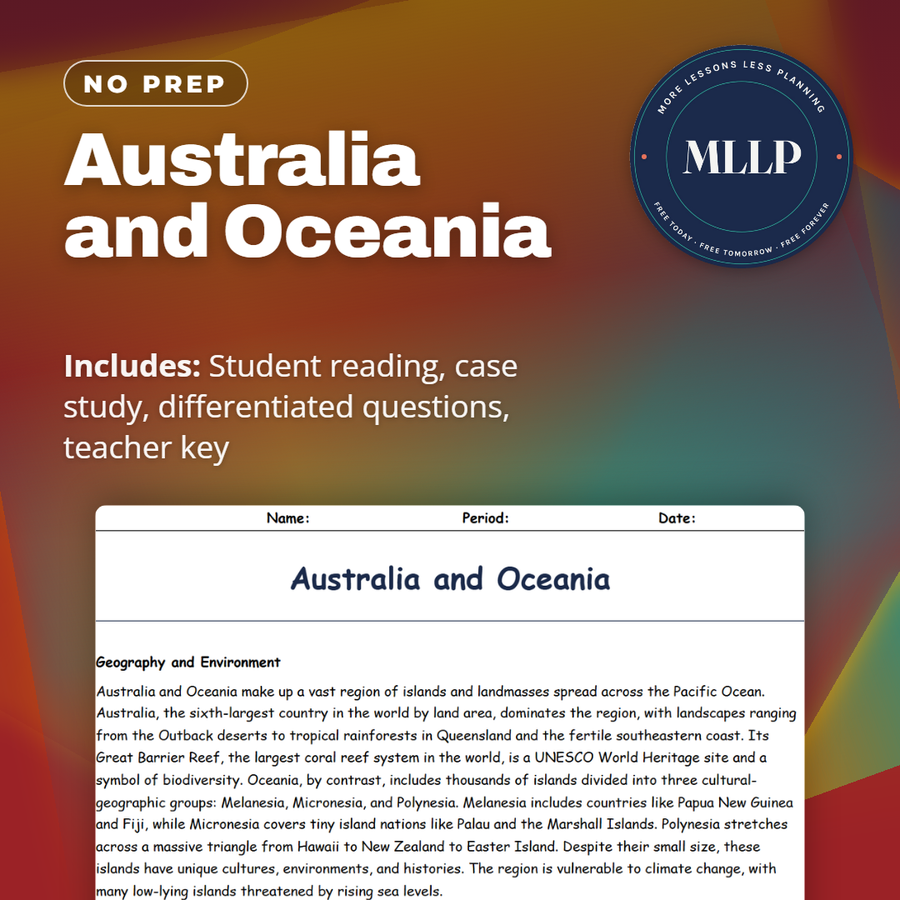
Australia and Oceania
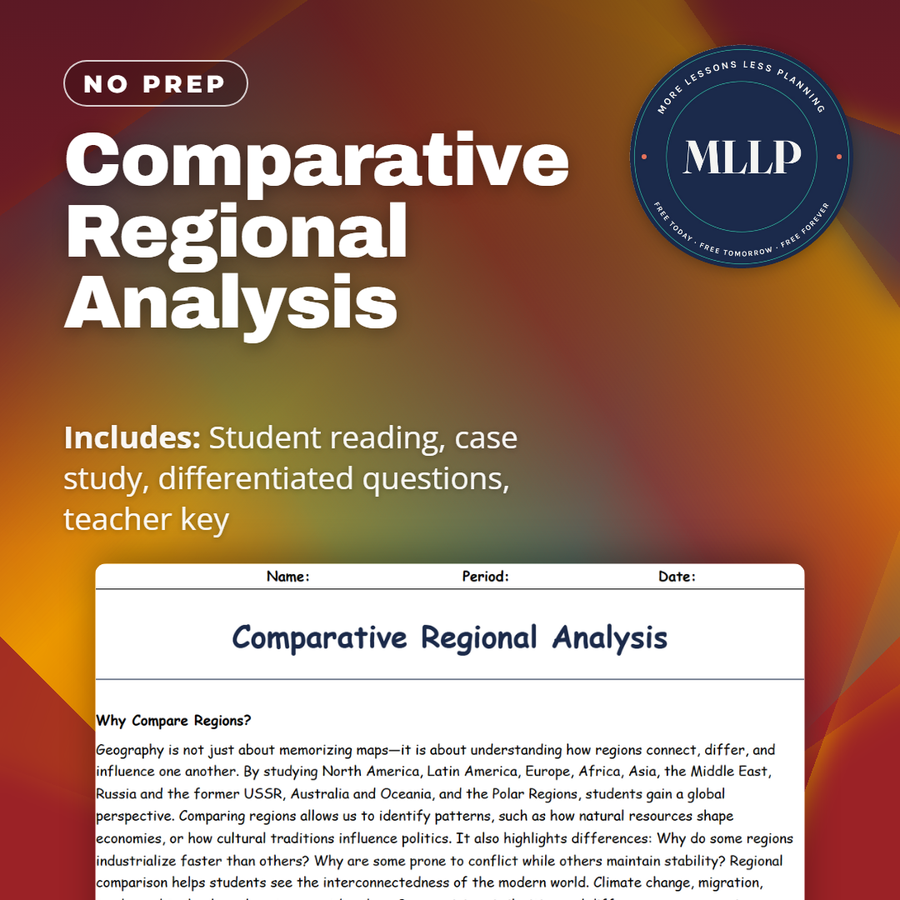
Comparative Regional Analysis
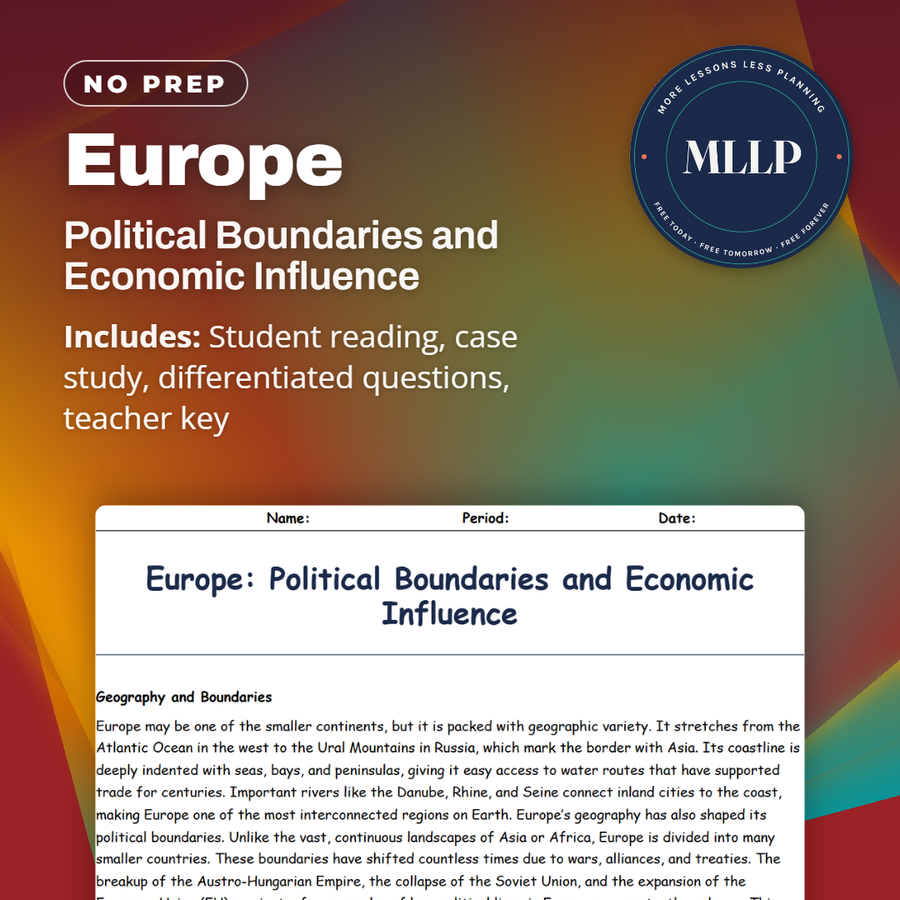
Europe: Political Boundaries and Economic Influence
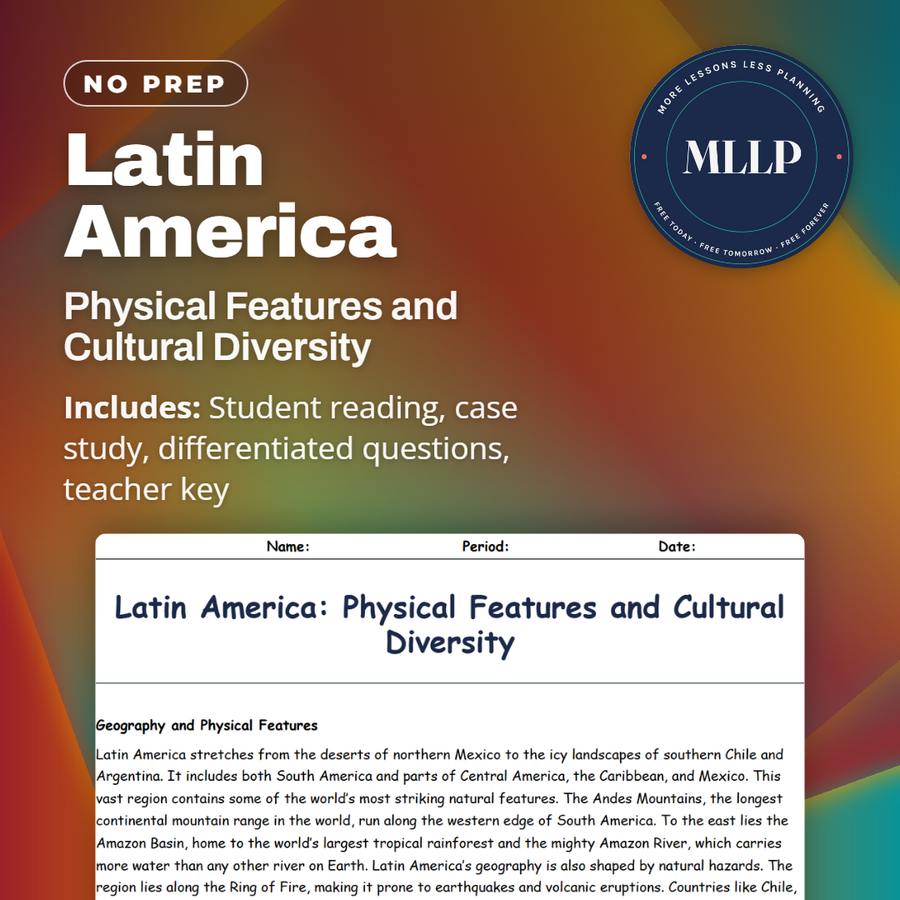
Latin America: Physical Features and Cultural Diversity
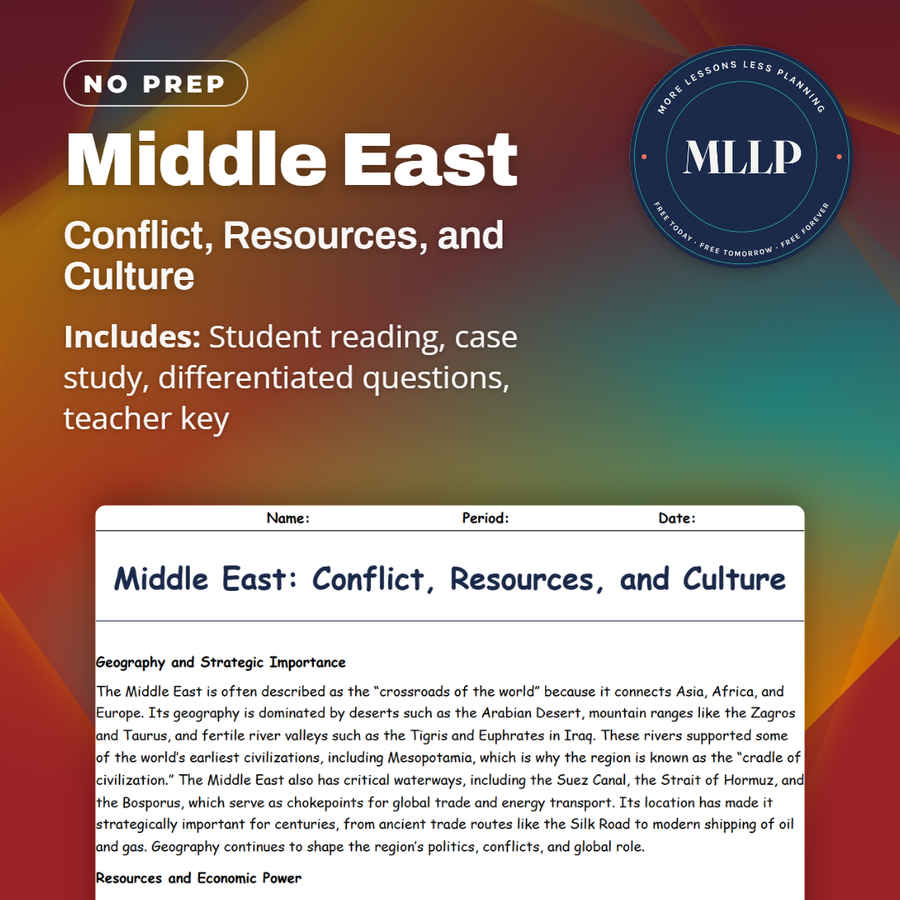
Middle East: Conflict, Resources, and Culture
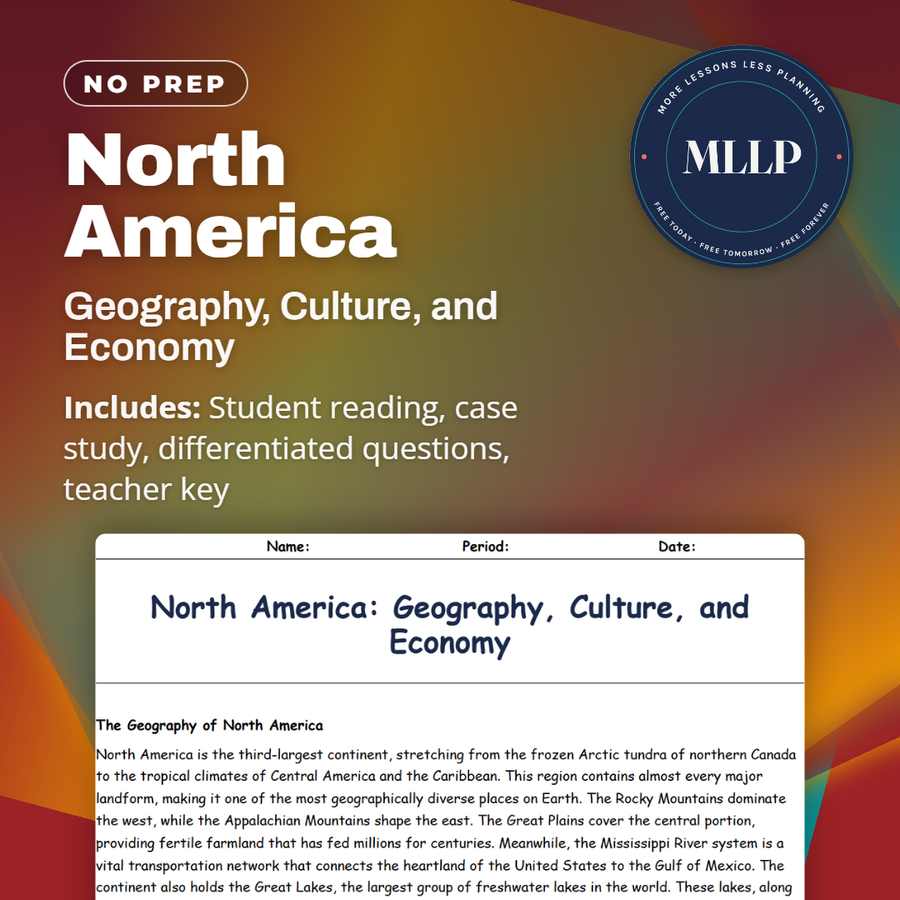
North America: Geography, Culture, and Economy
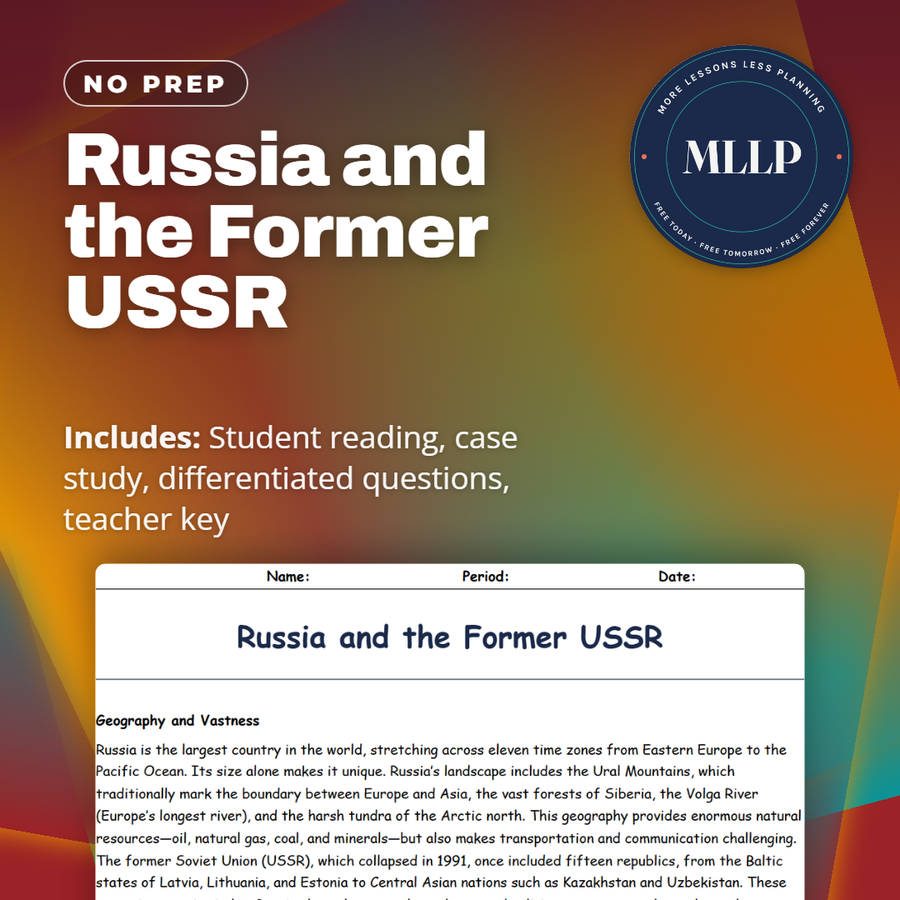
Russia and the Former USSR
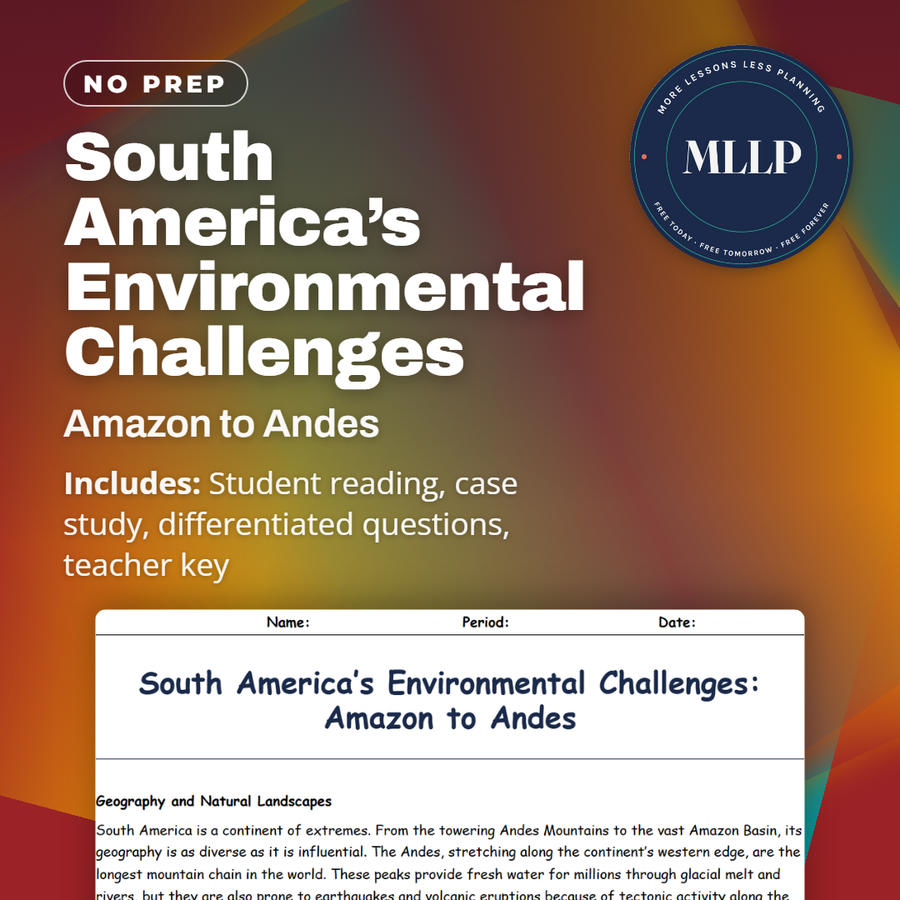
South America’s Environmental Challenges: Amazon to Andes
Unit 9
10 worksheets
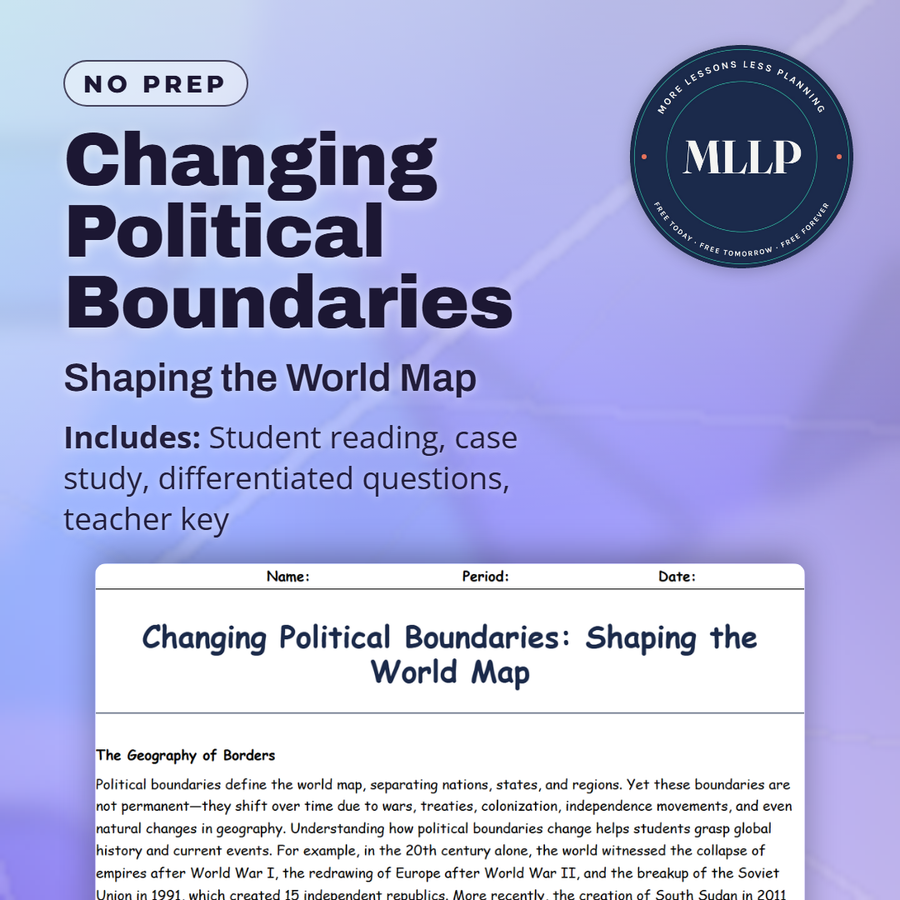
Changing Political Boundaries: Shaping the World Map
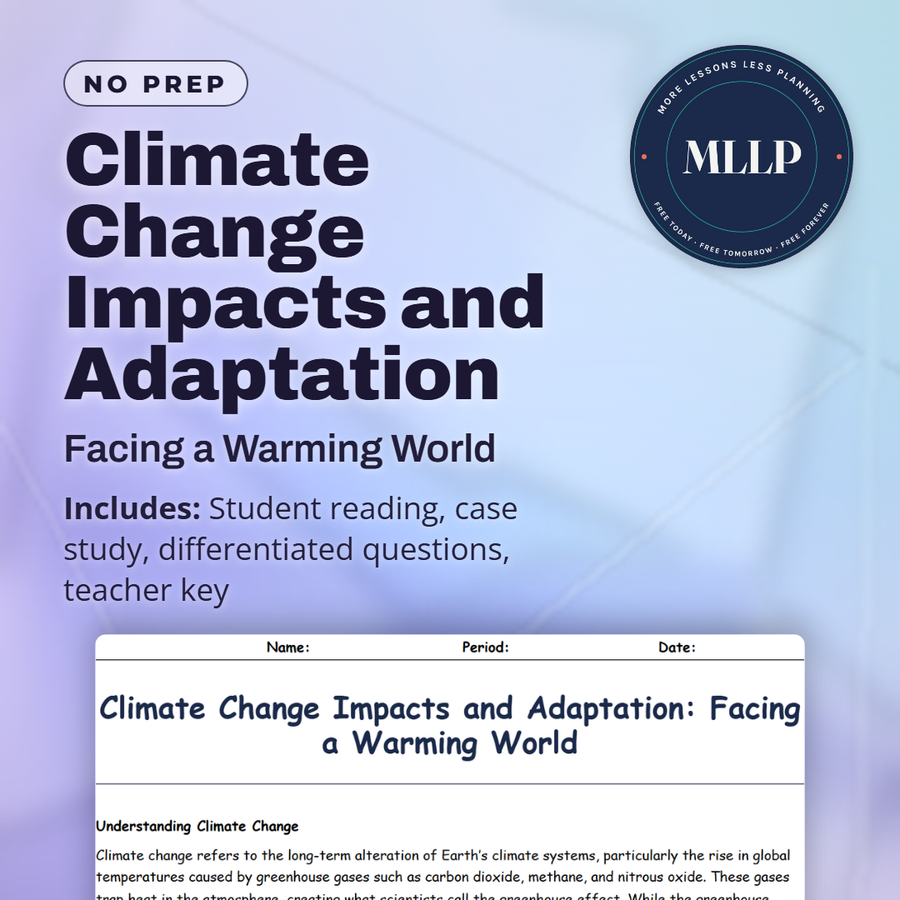
Climate Change Impacts and Adaptation: Facing a Warming World
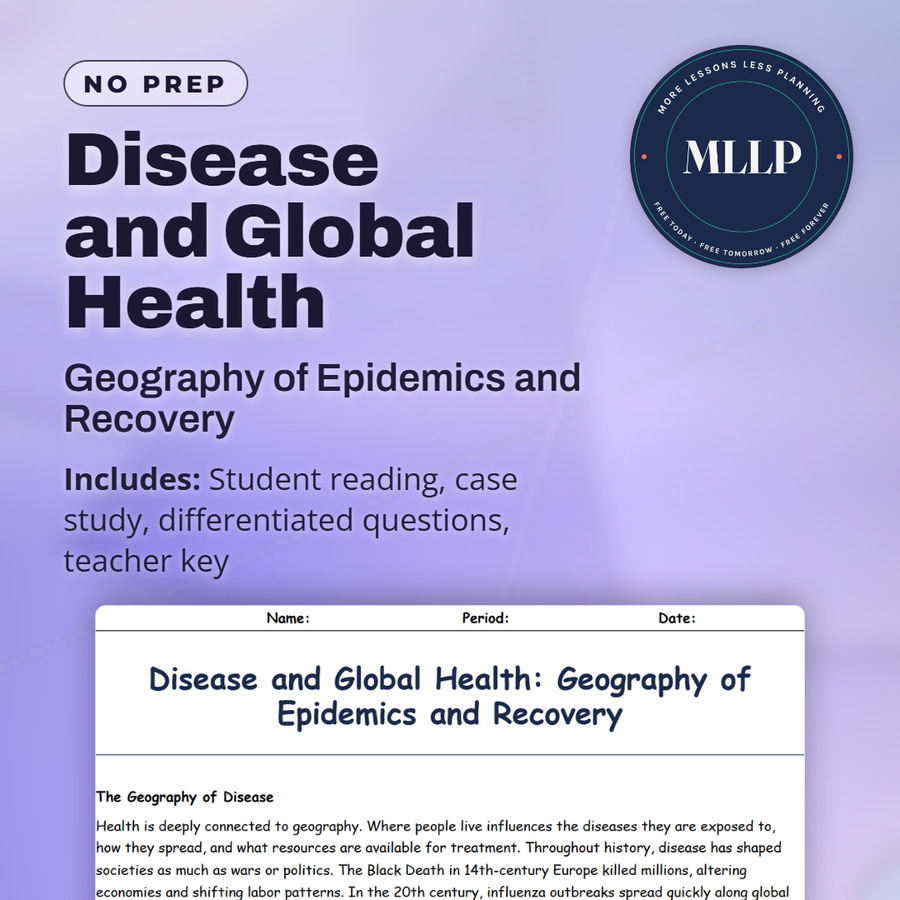
Disease and Global Health: Geography of Epidemics and Recovery
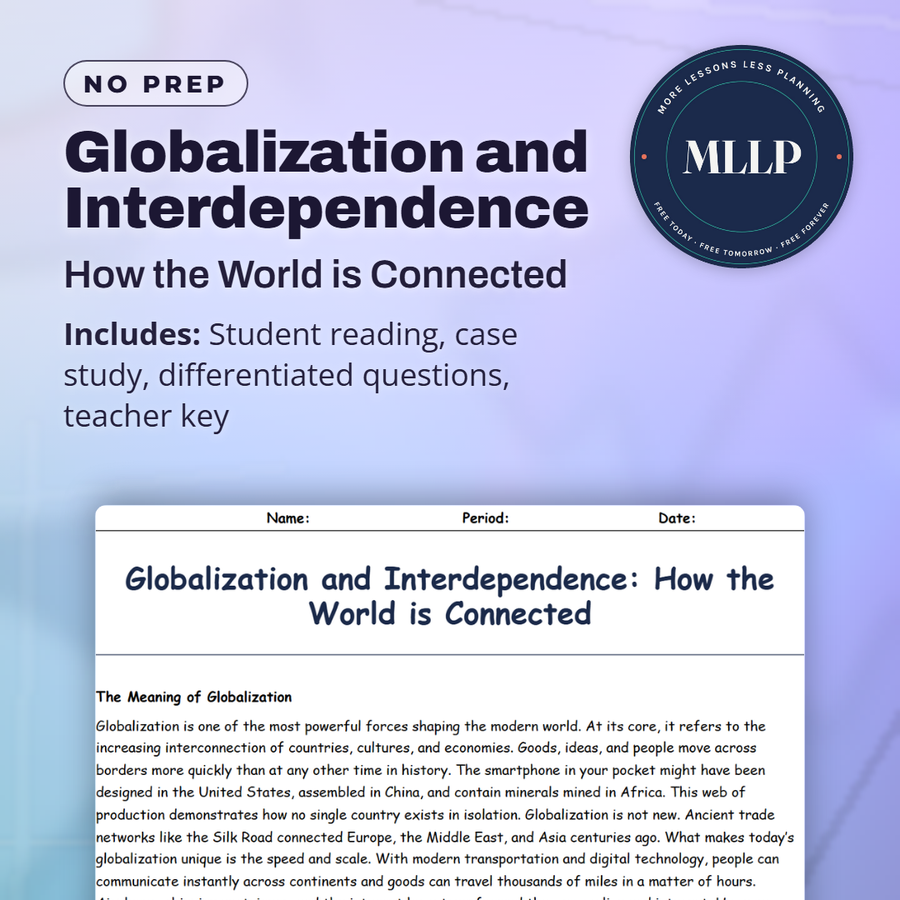
Globalization and Interdependence: How the World is Connected
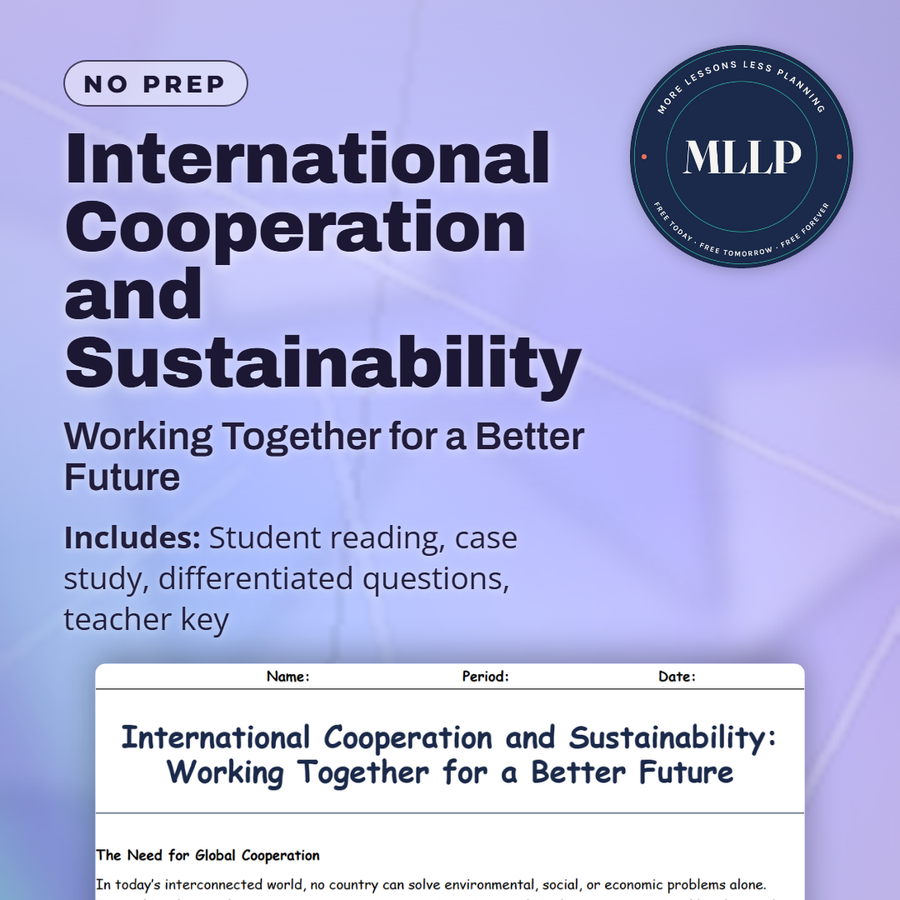
International Cooperation and Sustainability: Working Together for a Better Future
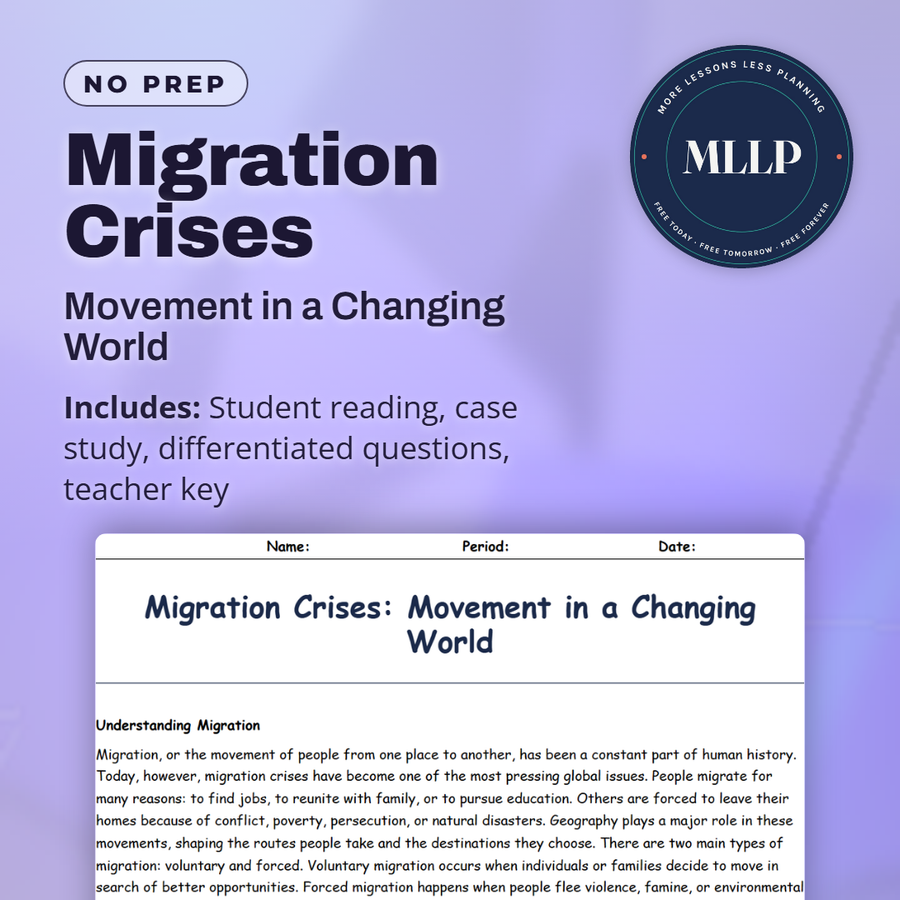
Migration Crises: Movement in a Changing World
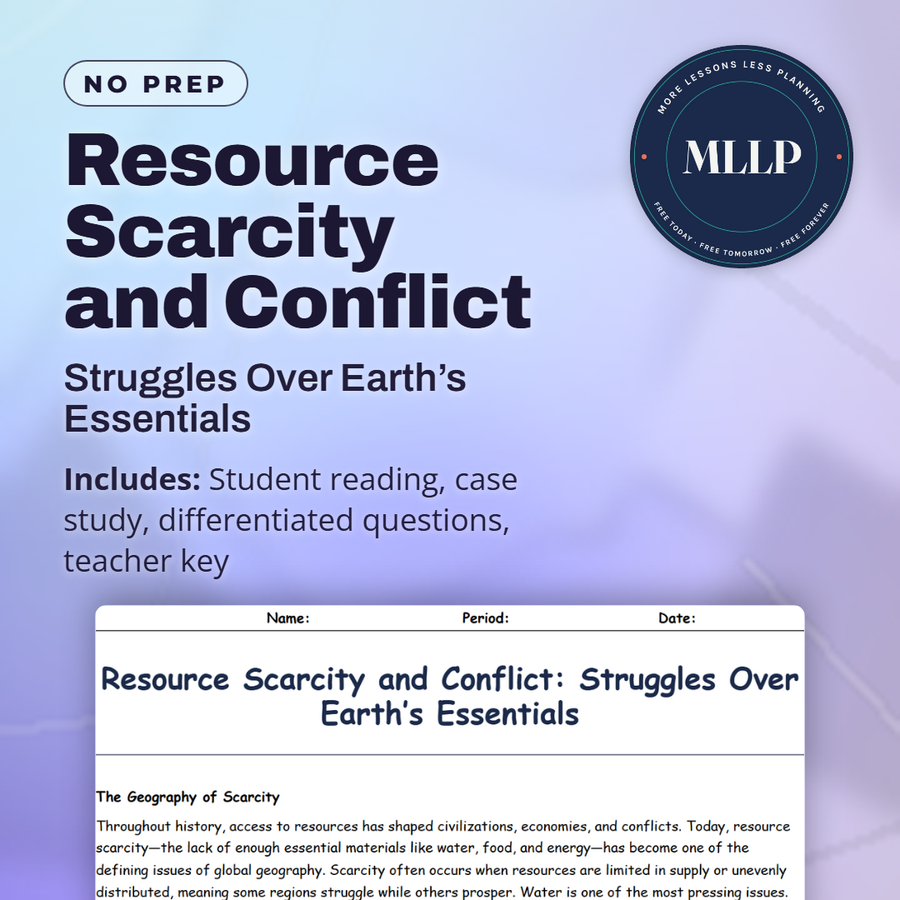
Resource Scarcity and Conflict: Struggles Over Earth’s Essentials
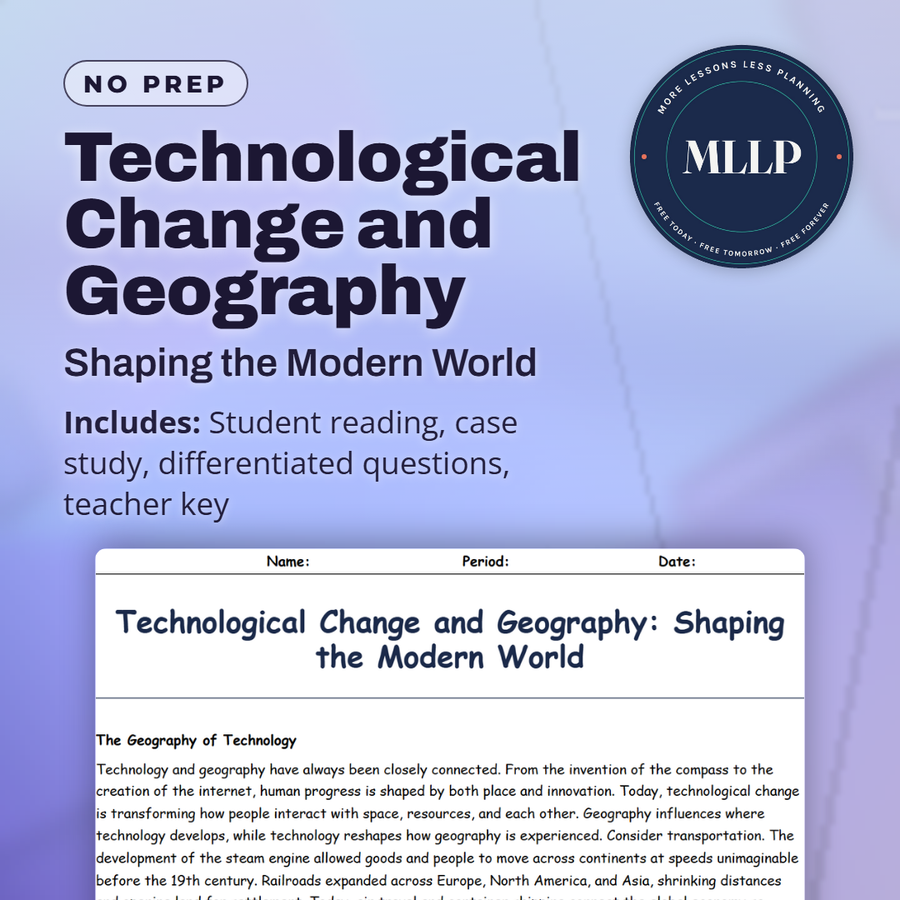
Technological Change and Geography: Shaping the Modern World
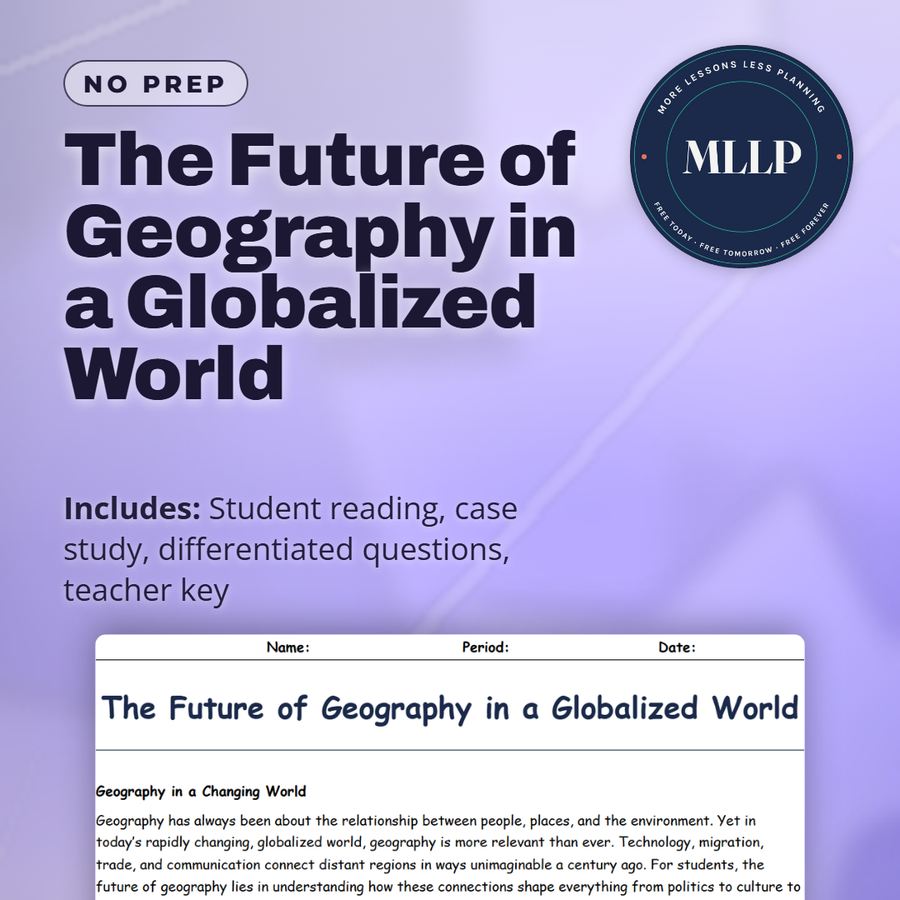
The Future of Geography in a Globalized World