Marine Science Reading Comprehension Worksheets
The ocean doesn't fit neatly into biology, chemistry, or earth science, which is exactly why marine science ends up shortchanged in most schools. This shelf treats it as its own subject, opening with the history of ocean exploration and the tools scientists actually use, ROVs, sonar, and AUVs, before moving into the physics of waves, tides, and currents.
From there it's seafloor geology and plate tectonics, then ocean chemistry, and finally biology: food webs, plankton, invertebrates, and the vertebrates most kids actually signed up to learn about, sea turtles, whales, and dolphins. The units build on each other, so a kid who skips ocean chemistry is going to be lost when ocean acidification comes up later in that same unit.
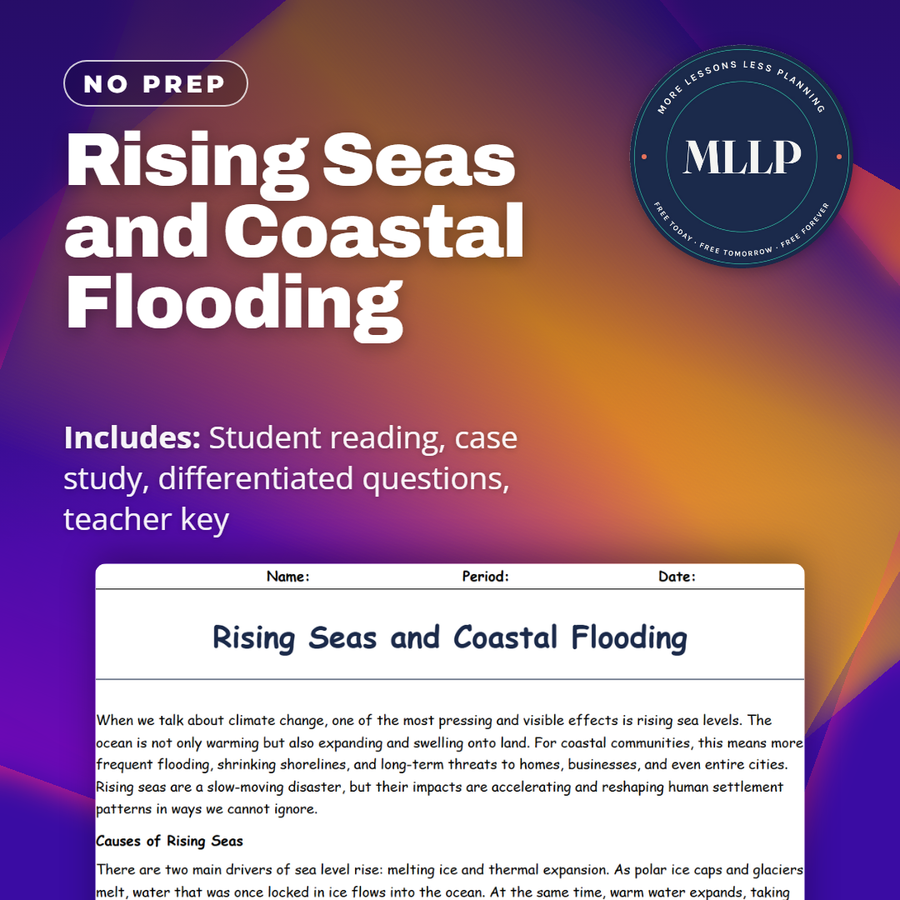
The last stretch covers conservation, overfishing, plastic pollution, and rising seas, the parts of the ocean unit that actually make the news. Every worksheet here is a free, print-and-go reading comprehension worksheet with a full answer key, built to hold up as a sub plan or a Friday review without you having to pre-read anything the night before.
Unit 1
10 worksheets
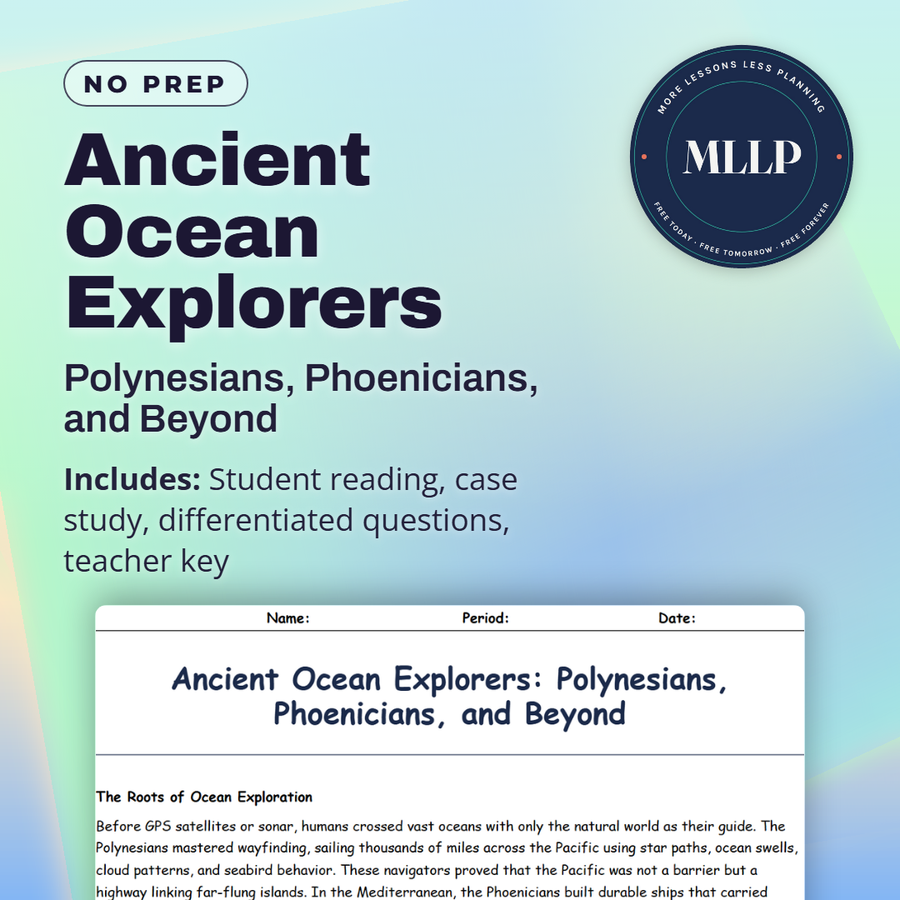
Ancient Ocean Explorers: Polynesians, Phoenicians, and Beyond
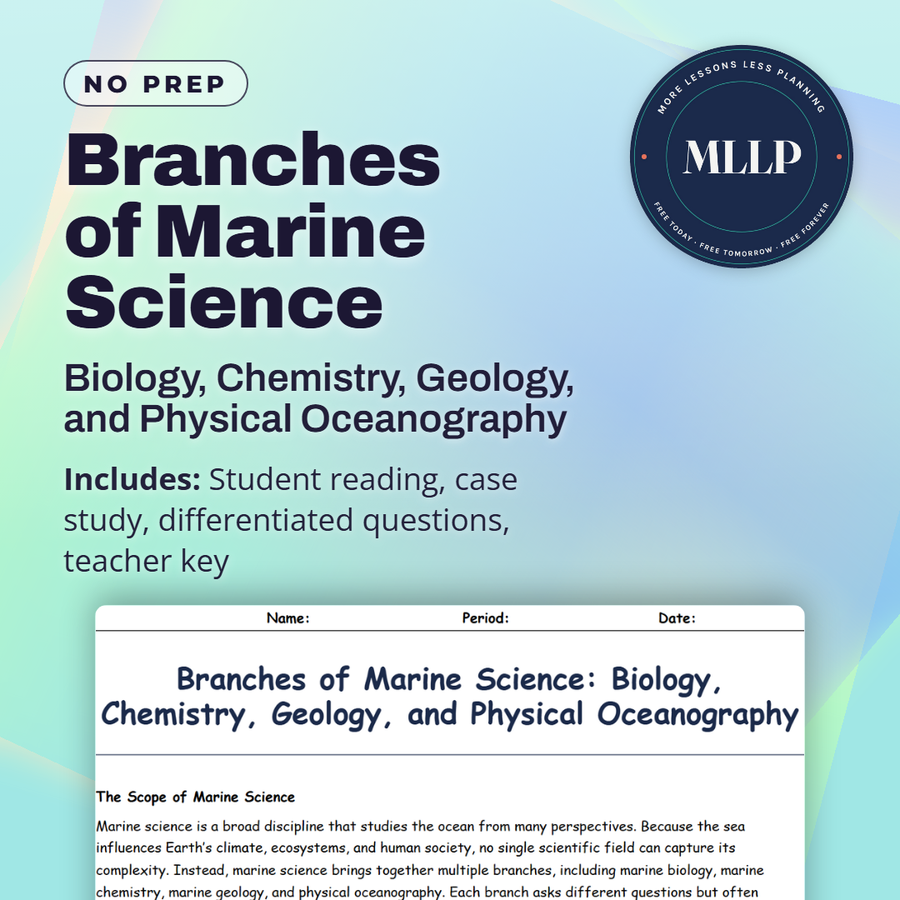
Branches of Marine Science: Biology, Chemistry, Geology, and Physical Oceanography
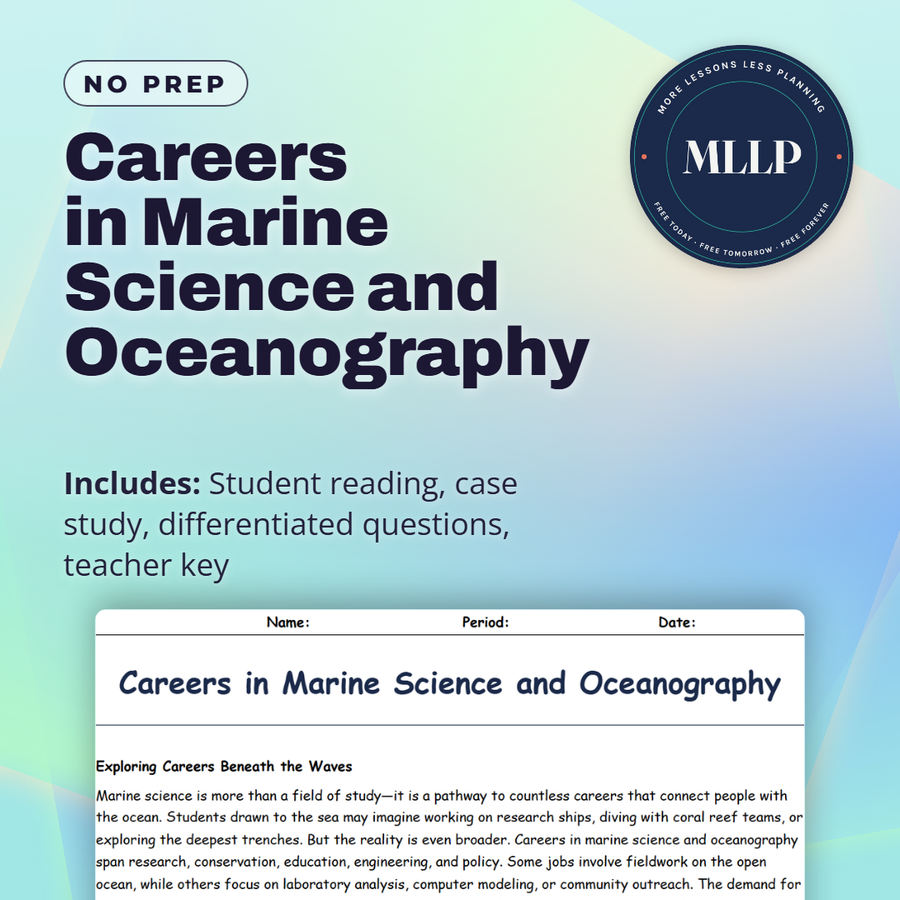
Careers in Marine Science and Oceanography
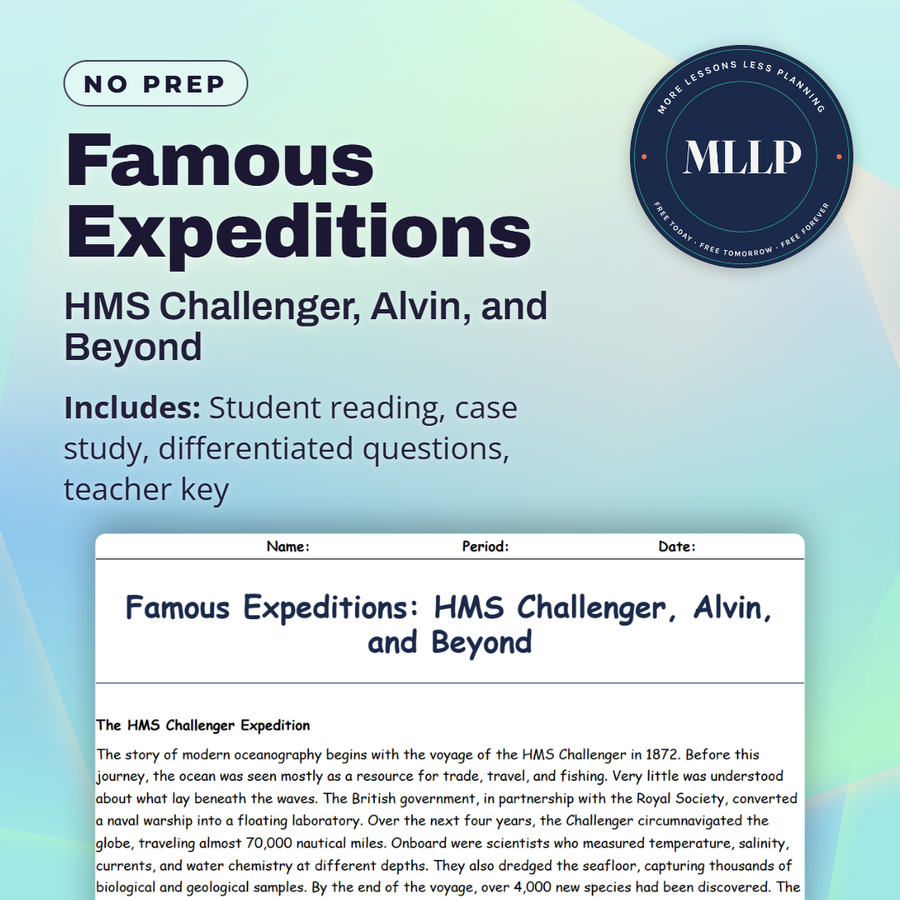
Famous Expeditions: HMS Challenger, Alvin, and Beyond
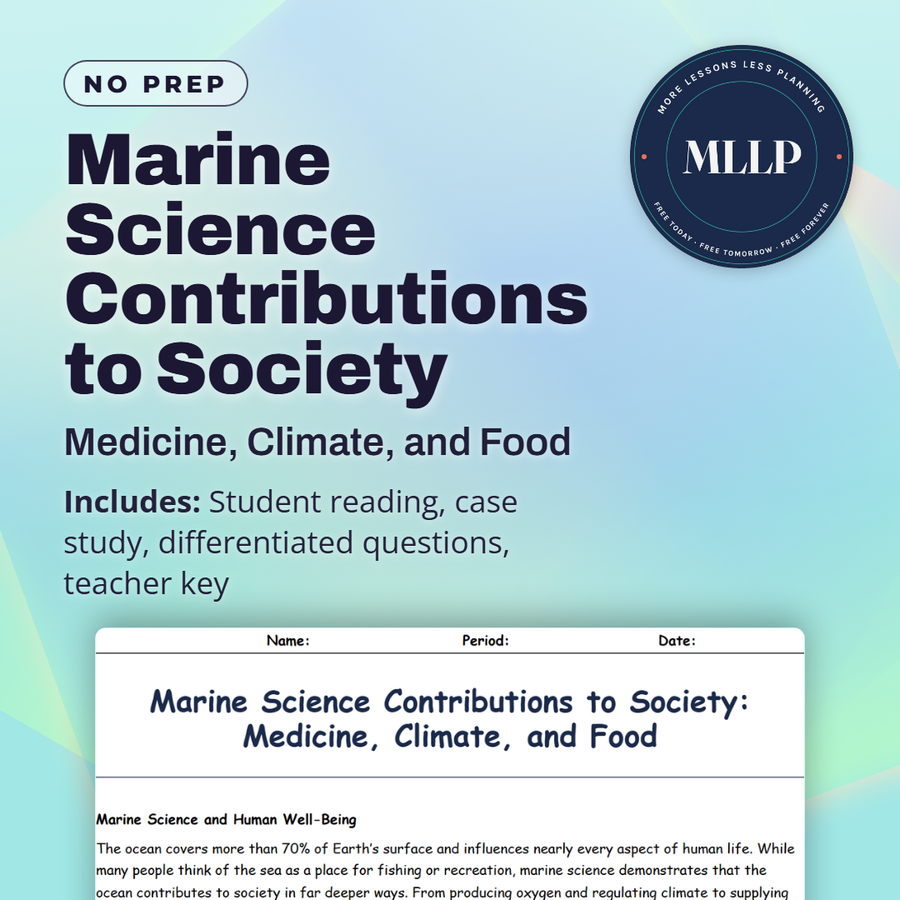
Marine Science Contributions to Society: Medicine, Climate, and Food
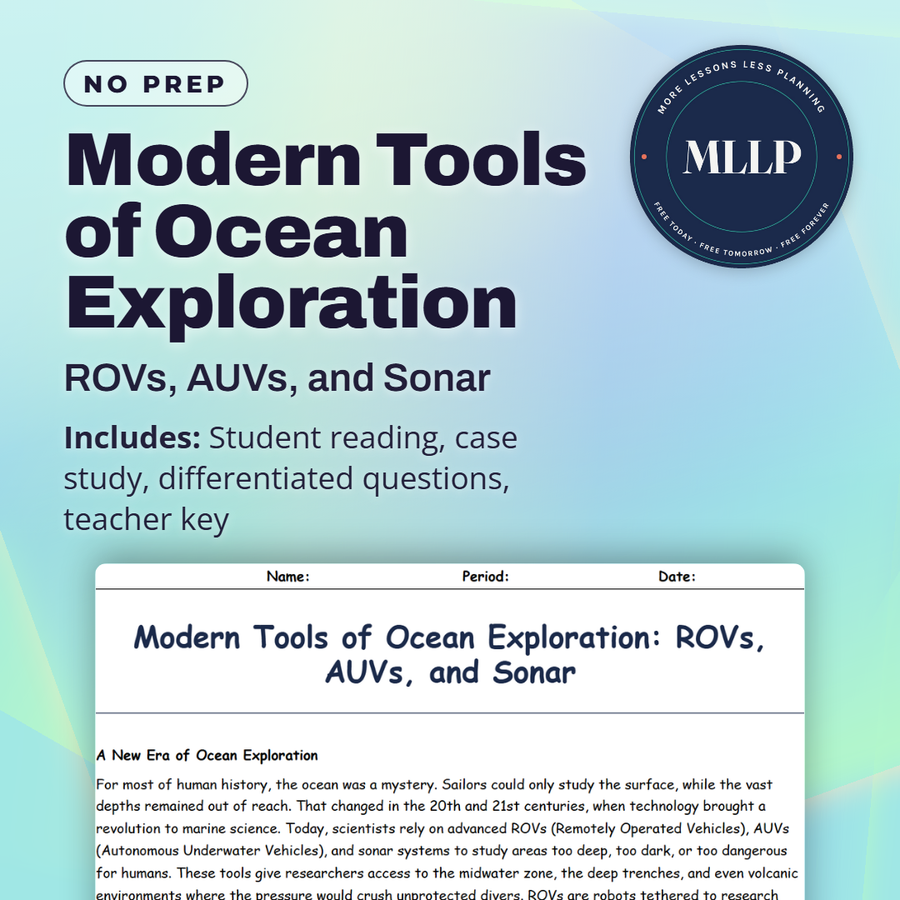
Modern Tools of Ocean Exploration: ROVs, AUVs, and Sonar
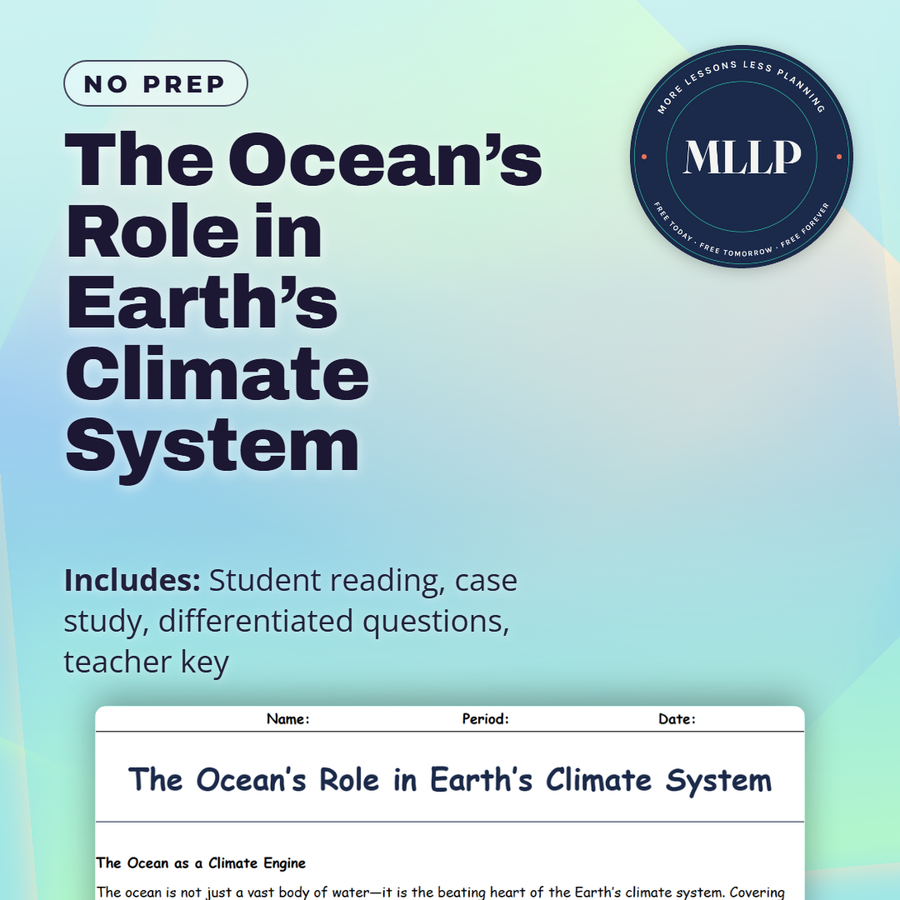
The Ocean’s Role in Earth’s Climate System
The Role of Marine Laboratories and Research Institutions
What Is Marine Science? Definition and Scope
Why Marine Science Matters for the Future
Unit 2
10 worksheets
Coastal Processes: Erosion, Deposition, Barrier Islands, and Estuaries
El Niño and La Niña: Ocean-Atmosphere Climate Connections
Ocean Tides: Gravitational Forces of the Moon and Sun
Properties of Seawater: Salinity, Temperature, and Density
Surface Currents and Wind Patterns: The Coriolis Effect and Gyres
The Role of Oceans in Weather and Climate Systems
Thermohaline Circulation and the Global Conveyor Belt
Types of Tides: Diurnal, Semidiurnal, and Mixed
Upwelling and Nutrient Cycling in the Ocean
Waves: Formation, Characteristics, and Energy Transfer
Unit 3
10 worksheets
Continental Drift and Seafloor Spreading Made Simple
Continental Margins: Active vs. Passive Boundaries
Earth’s Layers and Plate Tectonics Explained
Geological Hazards: Tsunamis, Undersea Earthquakes, and Landslides
Hydrothermal Vents and Their Ecosystems
Marine Geology and Natural Resources
Marine Sediments: Terrigenous, Biogenous, Hydrogenous, and Cosmogenous
Methods of Studying the Seafloor: Drilling, Coring, and Sonar Mapping
Ocean Floor Features: Trenches, Ridges, and Plains
Submarine Canyons and Turbidity Currents
Unit 4
10 worksheets
Chemical Tracers and Ocean Circulation
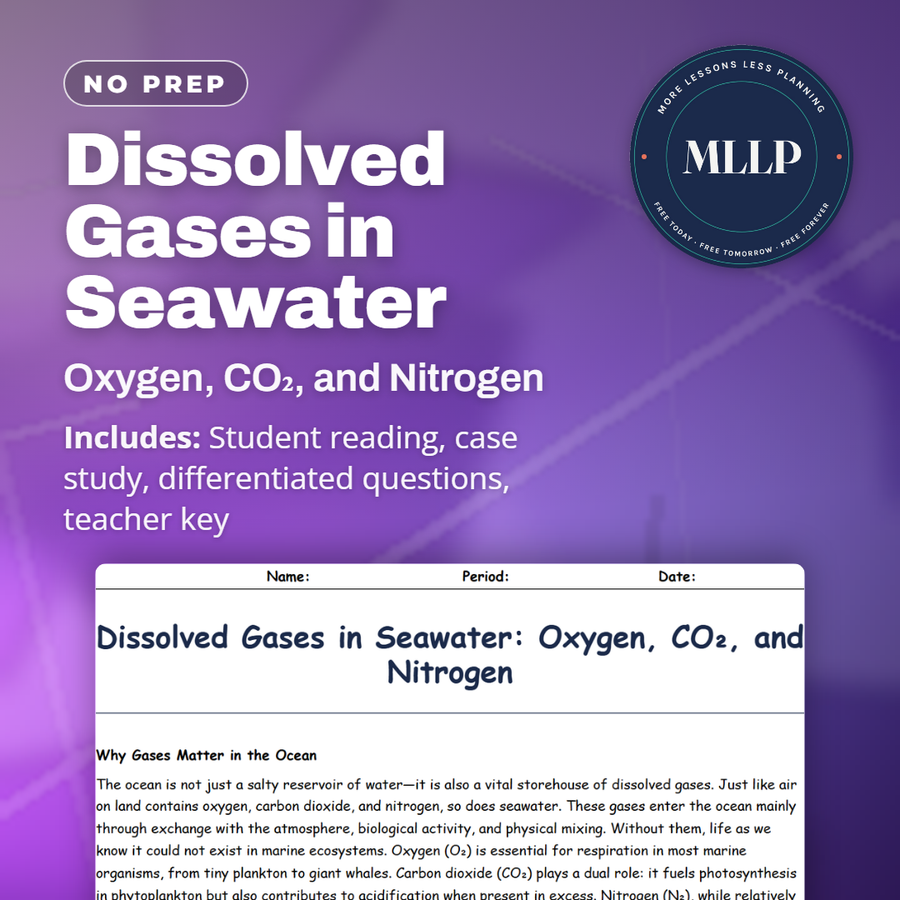
Dissolved Gases in Seawater: Oxygen, CO₂, and Nitrogen
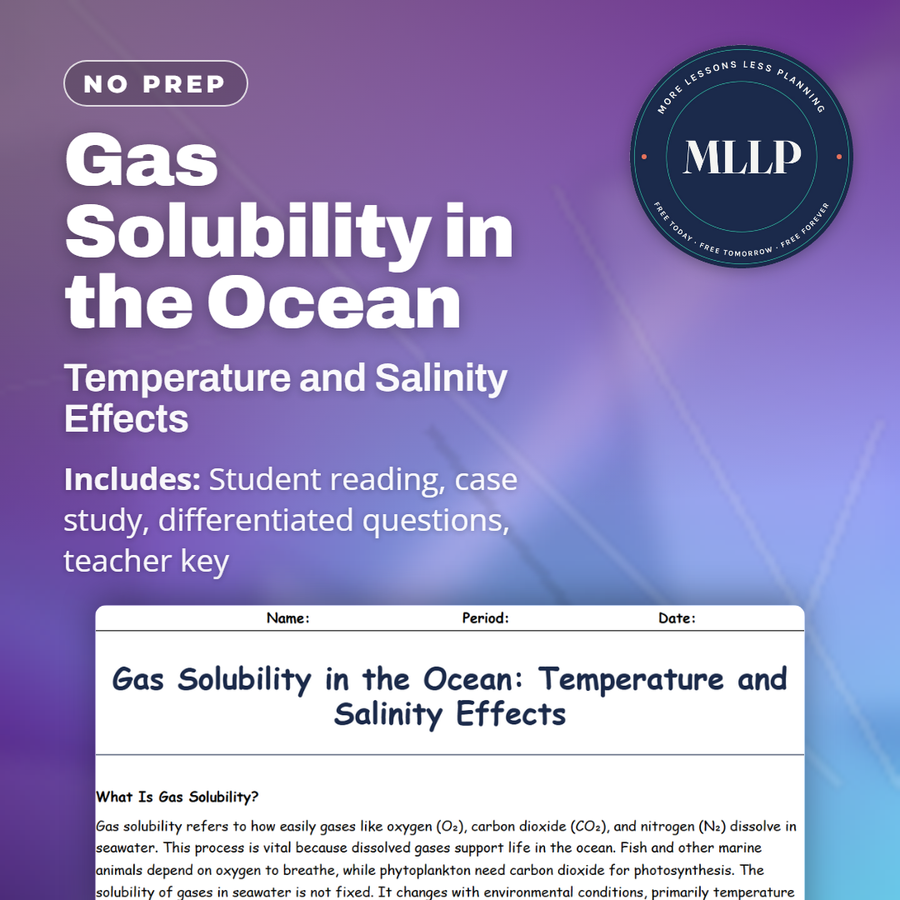
Gas Solubility in the Ocean: Temperature and Salinity Effects
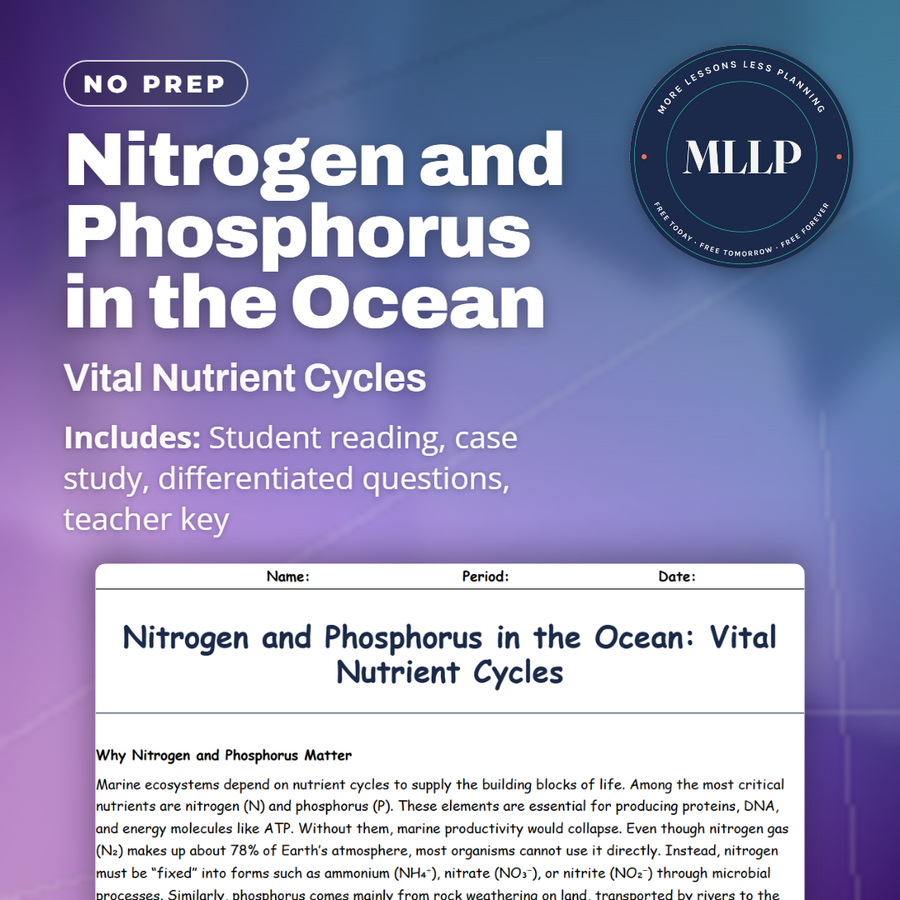
Nitrogen and Phosphorus in the Ocean: Vital Nutrient Cycles
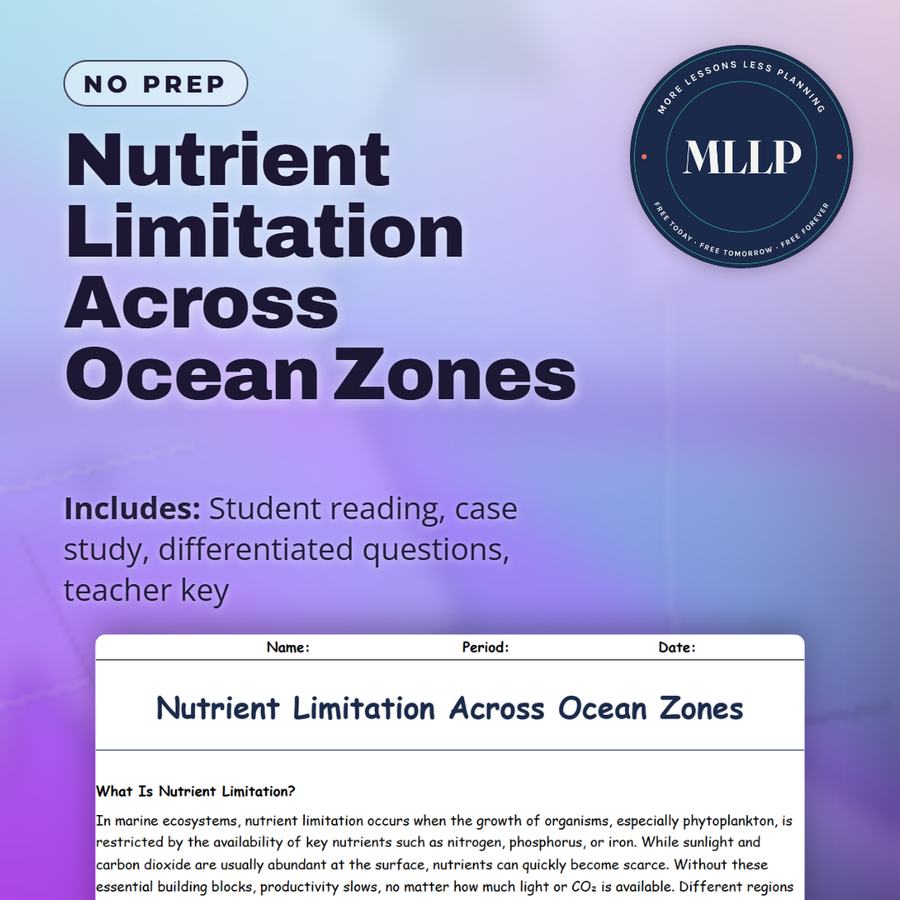
Nutrient Limitation Across Ocean Zones
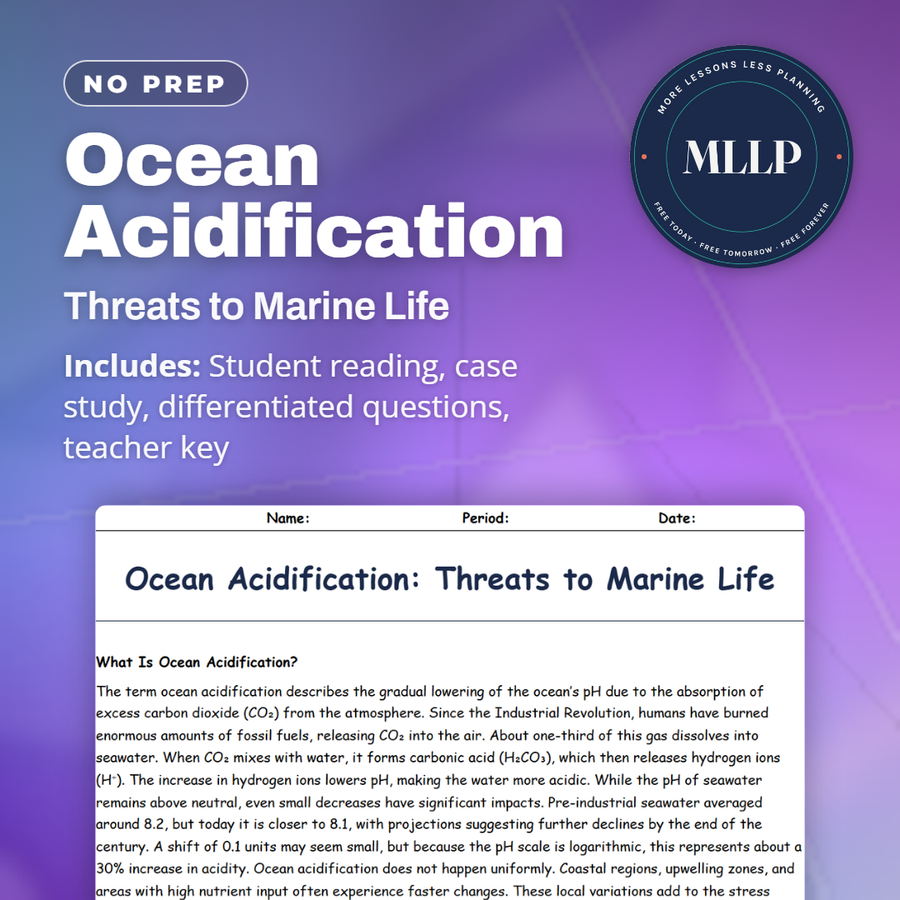
Ocean Acidification: Threats to Marine Life
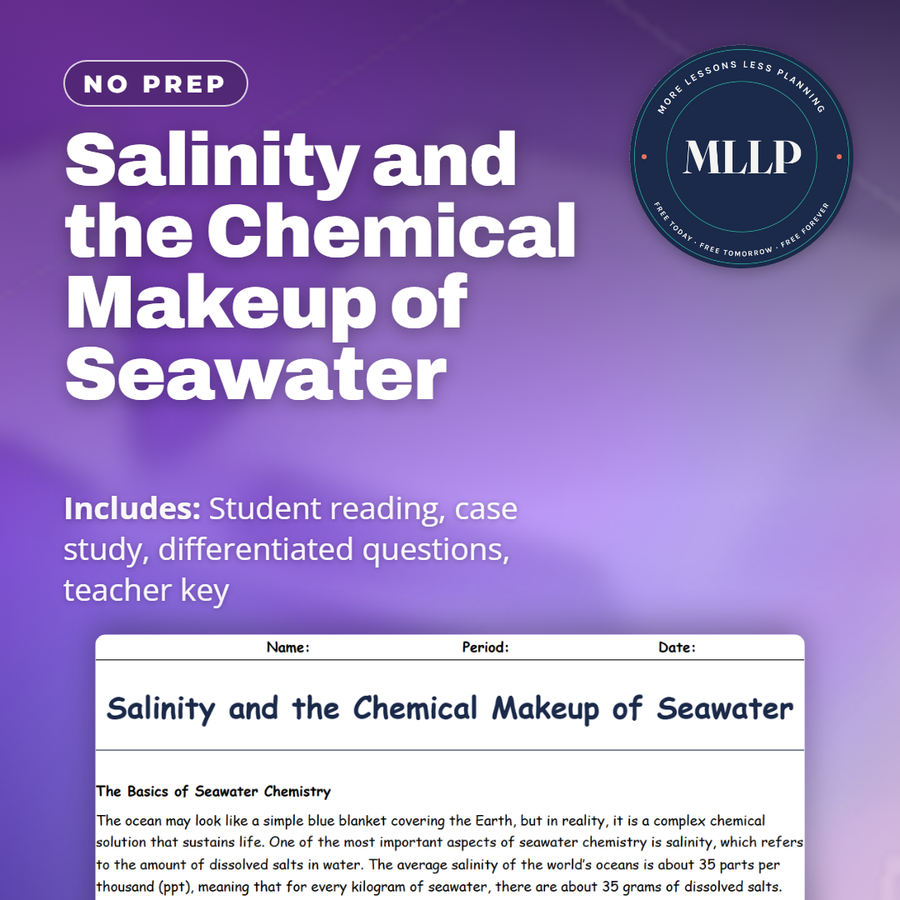
Salinity and the Chemical Makeup of Seawater
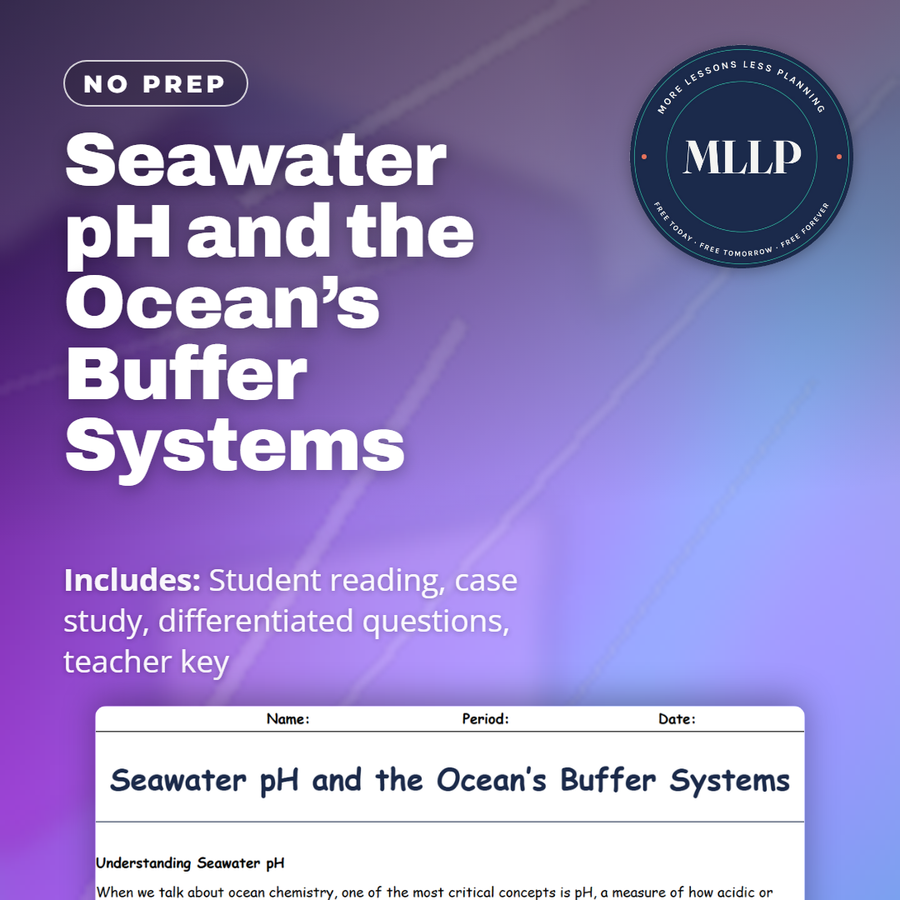
Seawater pH and the Ocean’s Buffer Systems
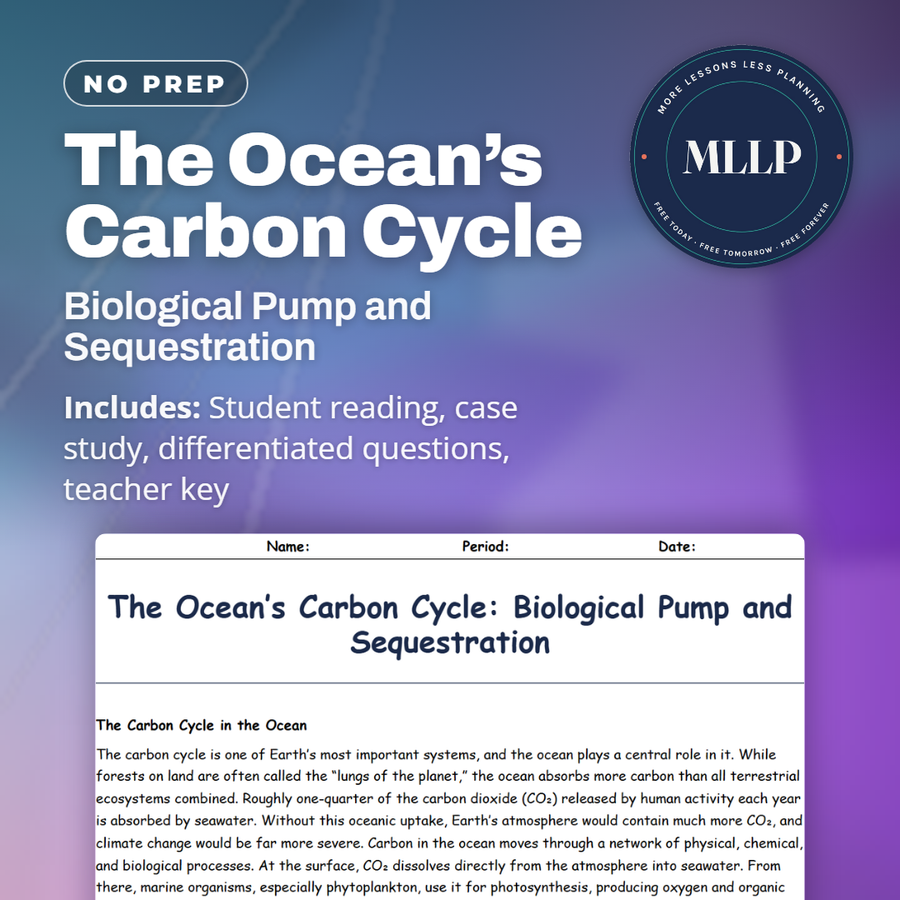
The Ocean’s Carbon Cycle: Biological Pump and Sequestration
Where Ocean Salts Come From: Sources and Steady State
Unit 5
10 worksheets
Abiotic and Biotic Factors Shaping Marine Ecosystems
Biodiversity Hotspots in the Ocean
Ecological Niches and Competition in Marine Ecosystems
Ecosystem Principles: How Marine Life Interacts and Survives
Human Influences on Marine Ecosystems
Keystone Species and Their Role in Ecosystem Balance
Marine Food Chains and Webs
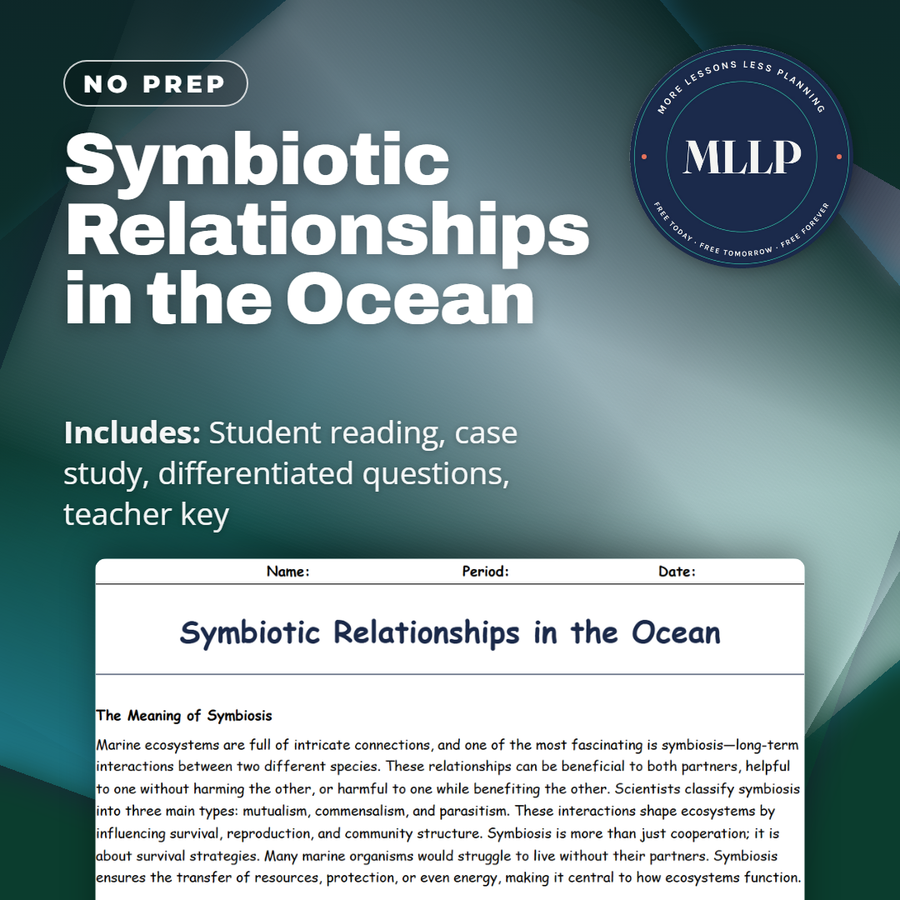
Symbiotic Relationships in the Ocean
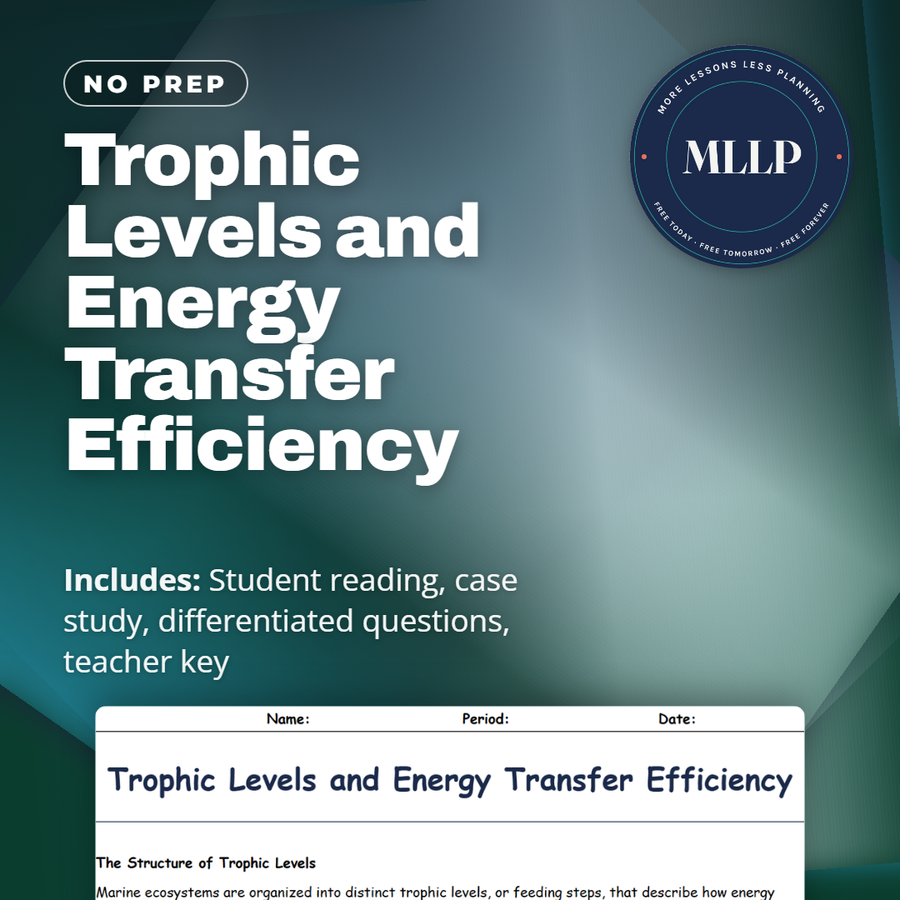
Trophic Levels and Energy Transfer Efficiency
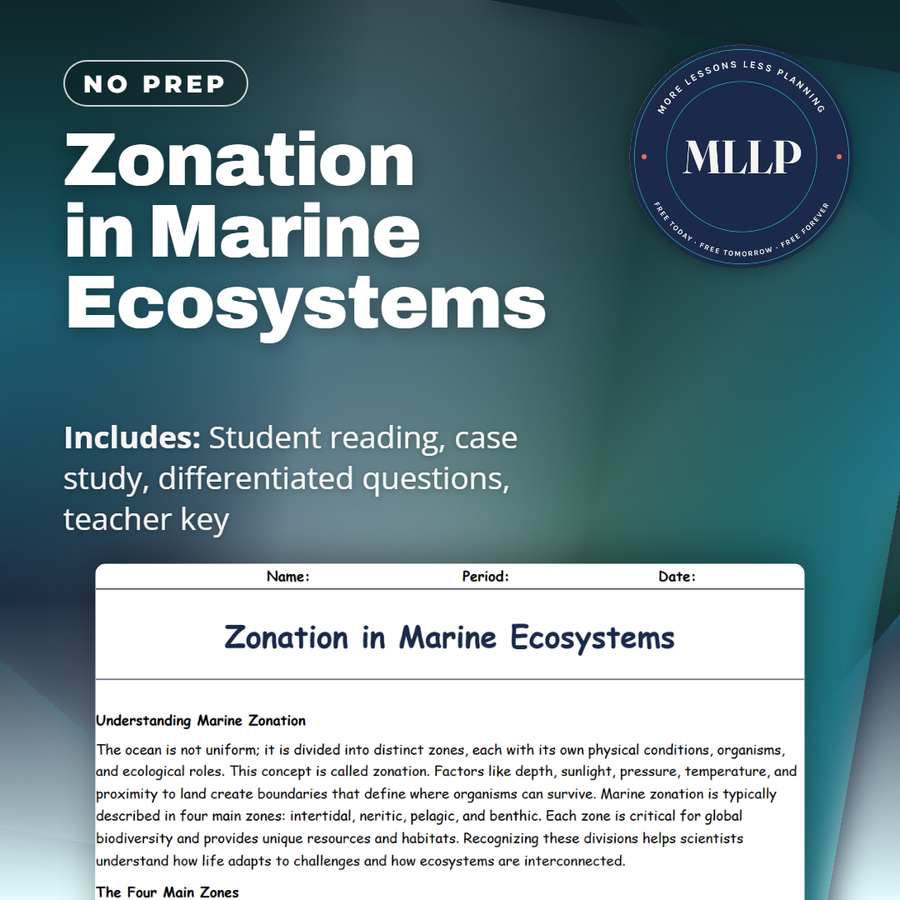
Zonation in Marine Ecosystems
Unit 6
10 worksheets
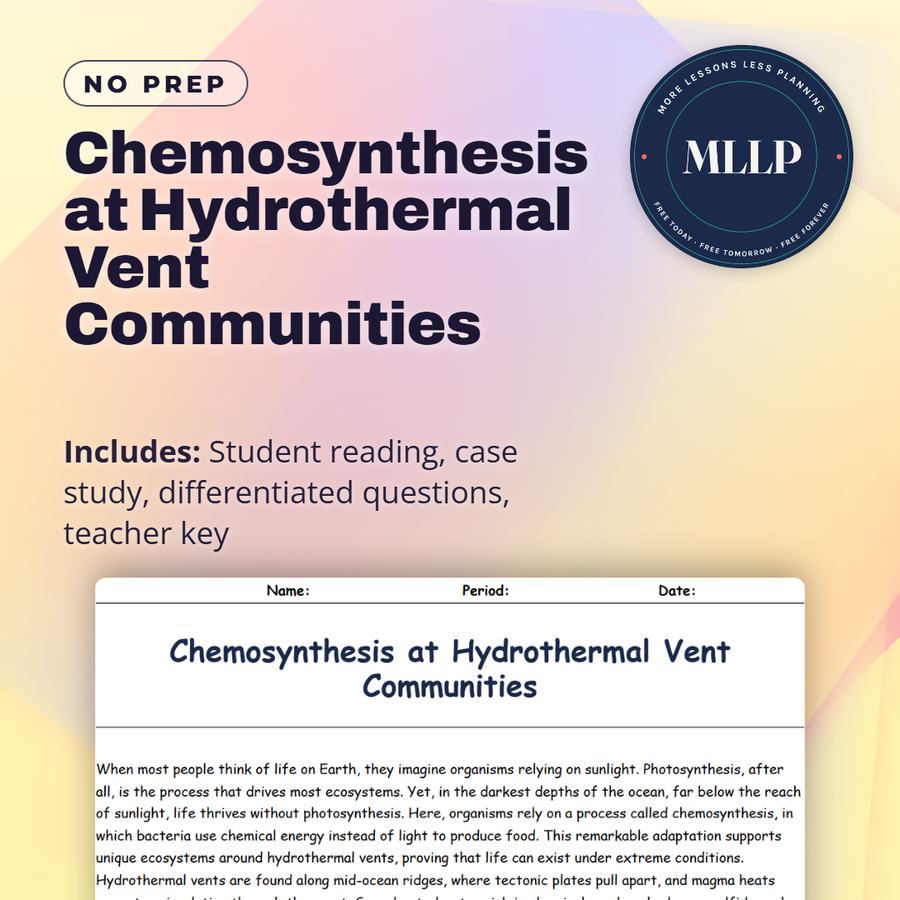
Chemosynthesis at Hydrothermal Vent Communities
Cyanobacteria and the Breath of Life
Diatoms, Dinoflagellates, and Coccolithophores Explained
Harmful Algal Blooms: Red Tides, Toxins, and Ecological Consequences
Photosynthesis in the Marine Environment
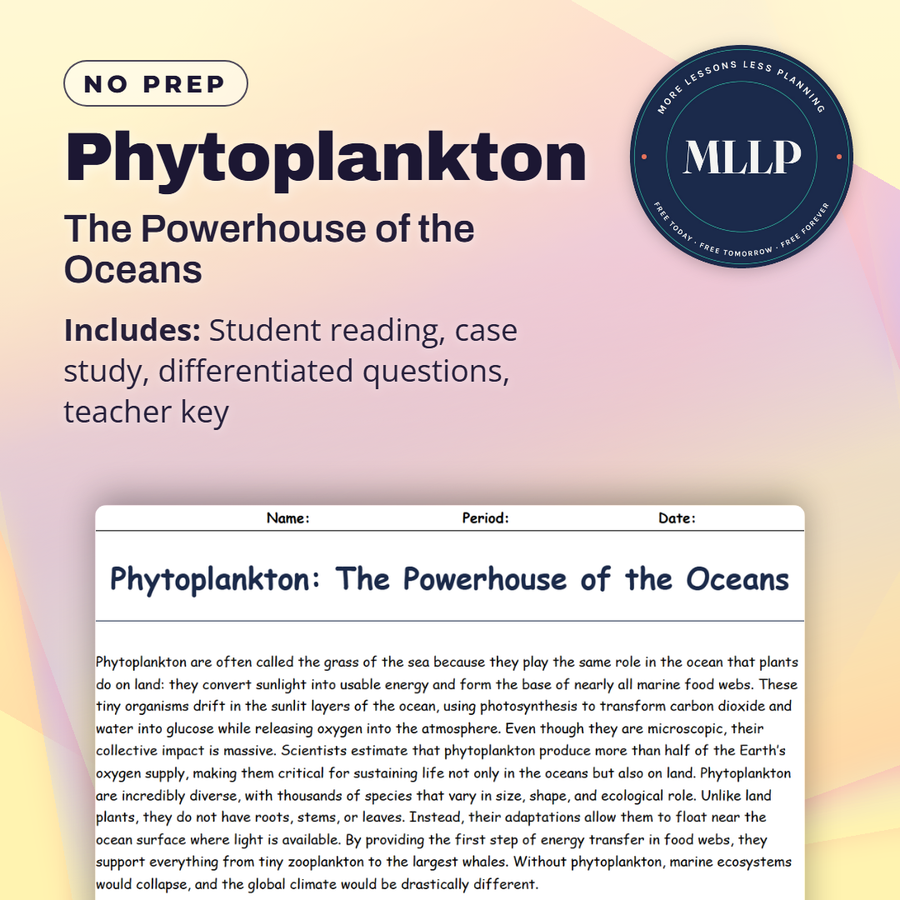
Phytoplankton: The Powerhouse of the Oceans
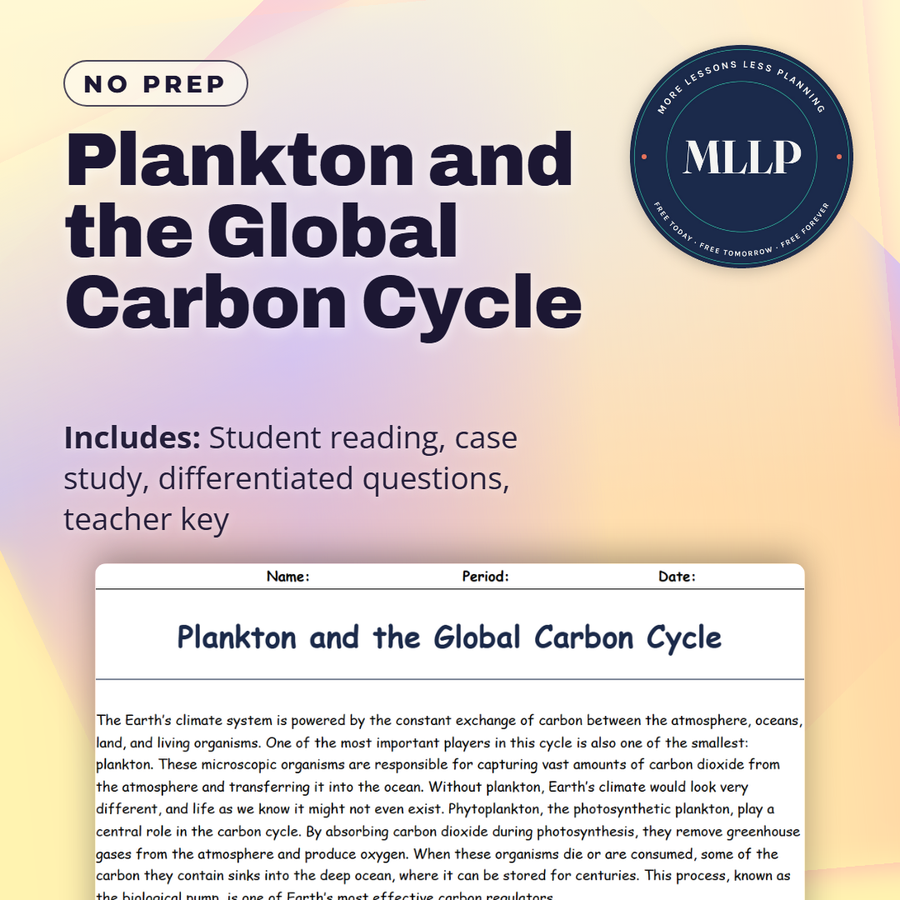
Plankton and the Global Carbon Cycle
Seasonal and Regional Variations in Plankton Productivity
The Microbial Loop and Nutrient Recycling
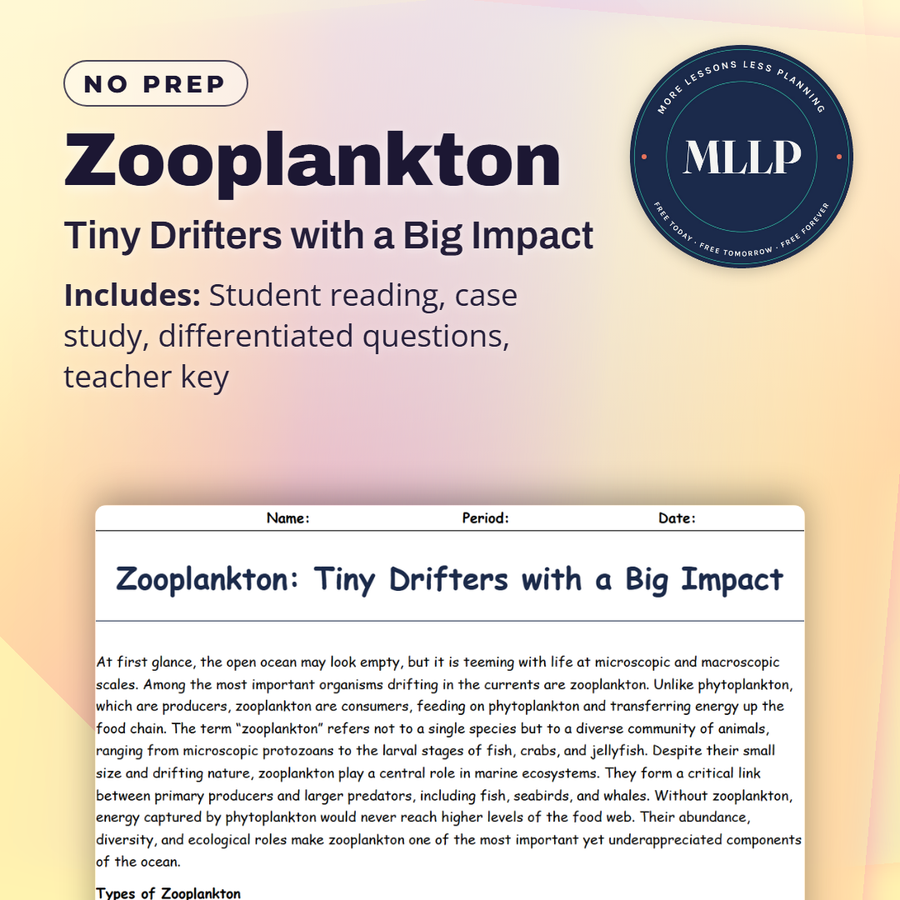
Zooplankton: Tiny Drifters with a Big Impact
Unit 7
10 worksheets
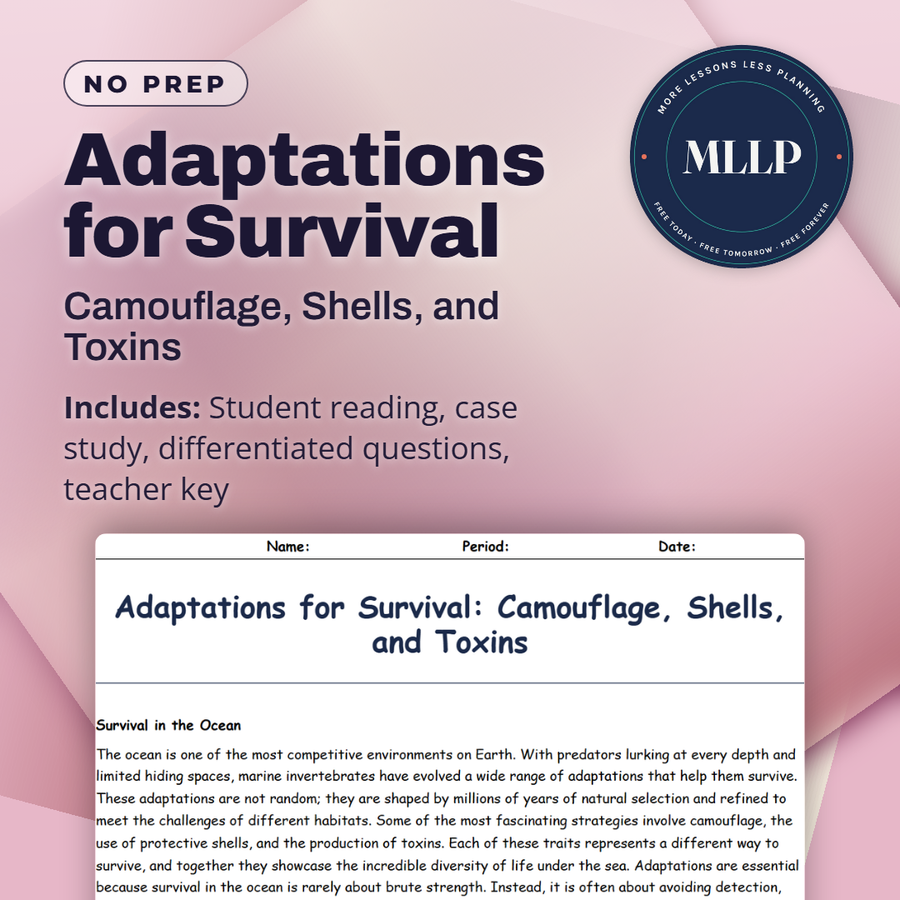
Adaptations for Survival: Camouflage, Shells, and Toxins
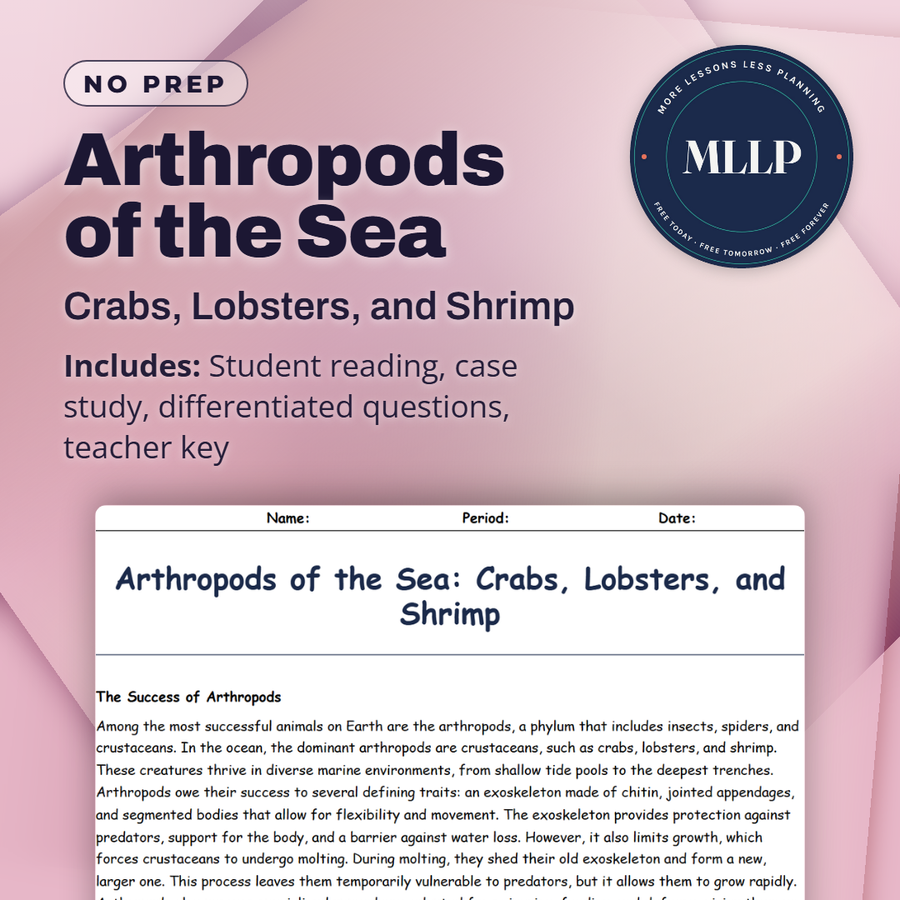
Arthropods of the Sea: Crabs, Lobsters, and Shrimp
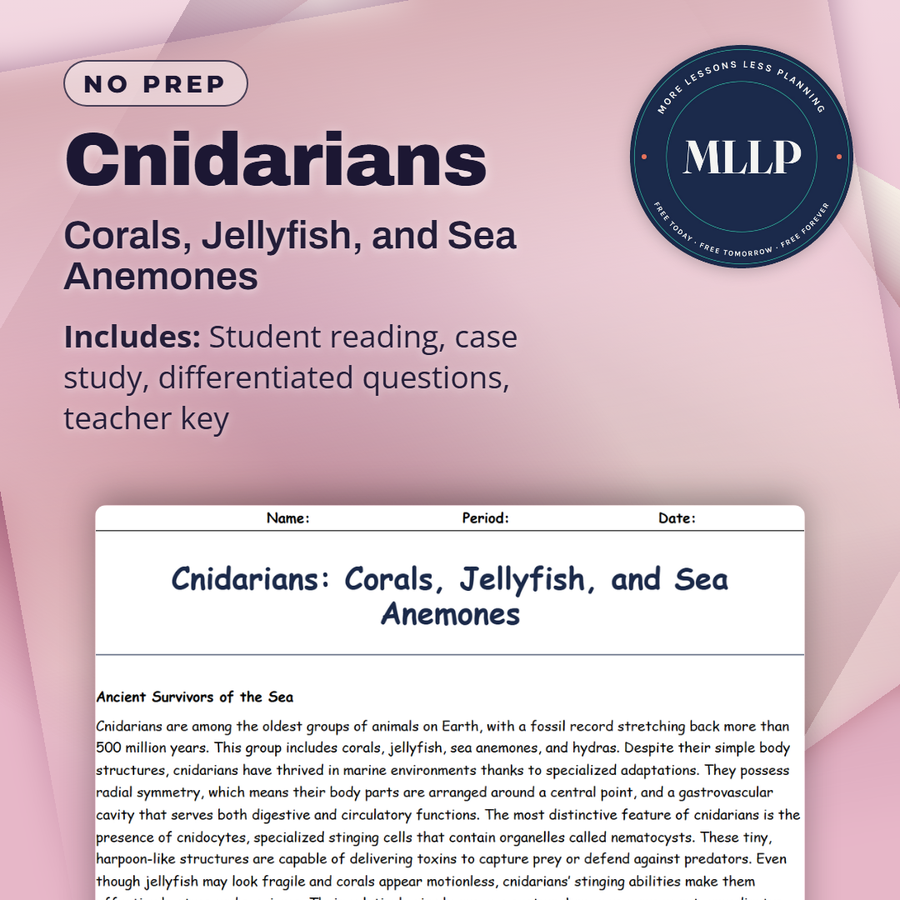
Cnidarians: Corals, Jellyfish, and Sea Anemones
Echinoderms: Sea Stars and Sea Urchins
Exploring Marine Invertebrates: Diversity Beneath the Waves
Invertebrates in Food Webs: Ecosystem Engineers of the Sea
Marine Invertebrate Reproduction: Strategies and Life Cycles
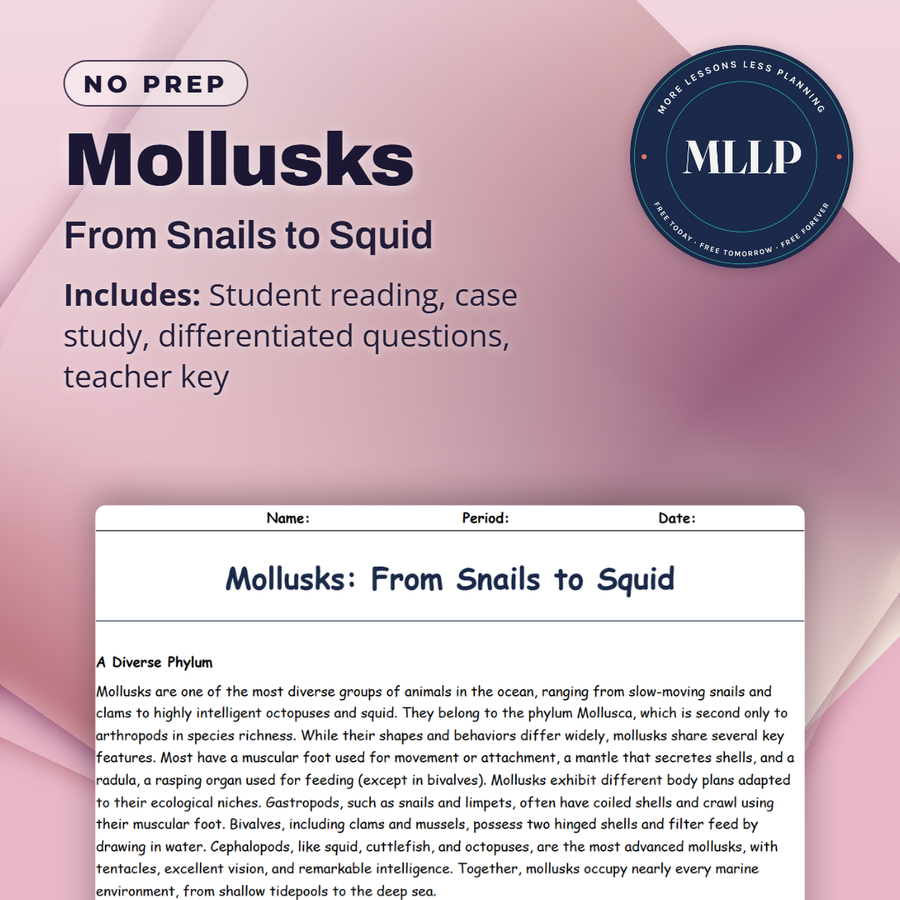
Mollusks: From Snails to Squid
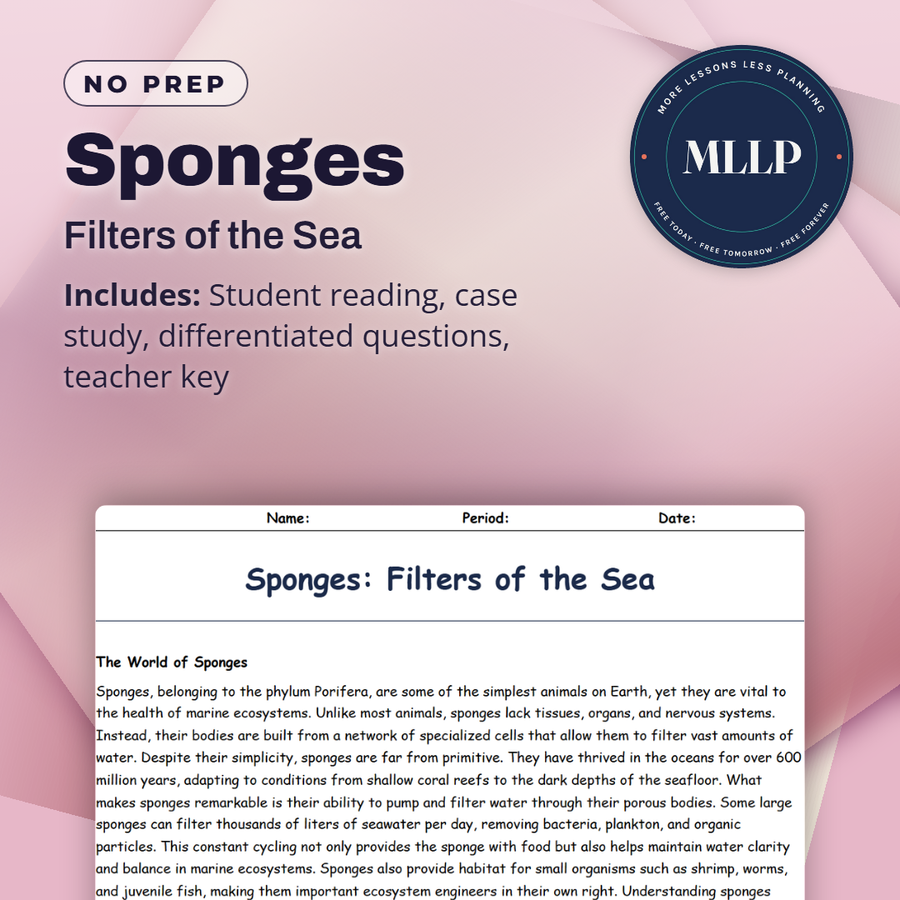
Sponges: Filters of the Sea
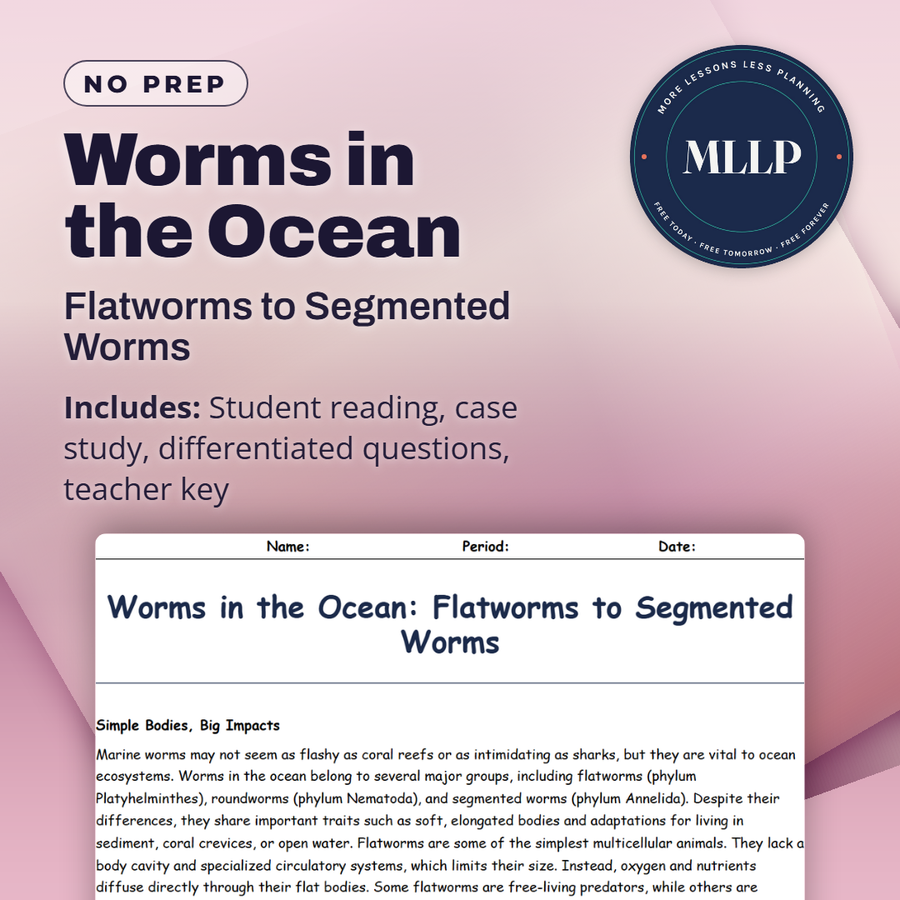
Worms in the Ocean: Flatworms to Segmented Worms
Unit 8
11 worksheets
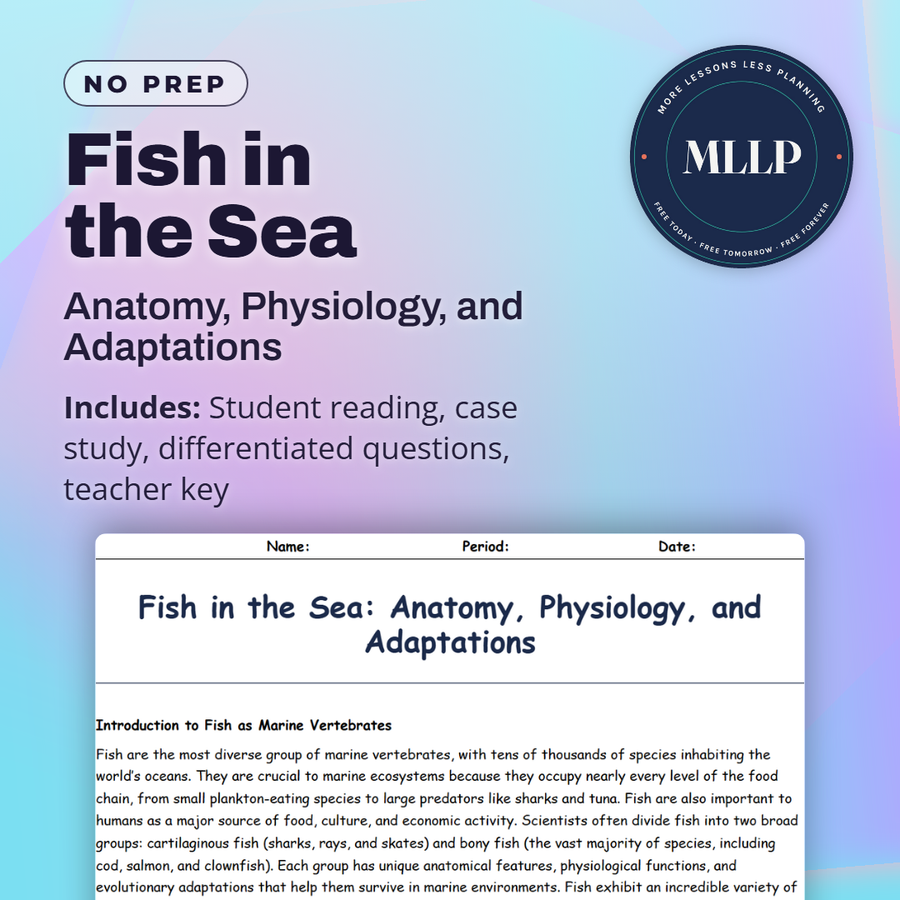
Fish in the Sea: Anatomy, Physiology, and Adaptations
Gentle Giants: Manatees and Dugongs
Humans and the Ocean: Impacts on Marine Vertebrates
Love Beneath the Waves: Reproduction in Marine Vertebrates
Marine Birds: Adaptations for Flight and Diving
Marine Reptiles: Sea Turtles, Snakes, and Iguanas
Sea Turtle Journeys: Life Cycles and Conservation
Seals, Sea Lions, and Walruses: Pinnipeds Explained
Sensing the Ocean: Fish Sensory Systems Explained
Surviving the Sea: Marine Adaptations in Vertebrates
Whales, Dolphins, and Porpoises: Cetacean Biology
Unit 9
9 worksheets
Climate Change and Coral Reefs: Fragile Ecosystems at Risk
Climate Change and Ocean Warming
Global Ocean Treaties and the Future of Marine Protection
Marine Pollution: Plastics, Oil Spills, and Chemicals
Nutrient Pollution and the Formation of Dead Zones
Ocean Conservation Strategies and Marine Protected Areas
Overfishing and the Collapse of Global Fisheries
Plastic Pollution and the Fate of Our Oceans