US History Toolkits
When we get to the Salem witch trials, I ask my students what happens today when a rumor about someone spreads online before anyone checks if it's true. They get it immediately. A panic that spread through Massachusetts in 1692 isn't so different from a pile-on that spreads through a group chat now, minus the noose. That's the hook that makes seventeenth century history feel less like a dead subject.
Teaching this era is tricky because so much of it happened before anyone alive today, and my students are already behind and skeptical that any of it applies to them. It's easy for names and dates to blur into noise.
I build the lessons around the connections that actually land, the Great Law of Peace and how the Iroquois Confederacy shaped ideas about shared government, or the Columbian Exchange and the way it rewired diets and economies across the Atlantic. Bound labor's slow hardening into slavery gets its own unit, because that shift explains a lot about the colonies my students think they already know. These are free, printable, and written for students catching up, not students already ahead.
Unit 1: First Americans and European Colonization
5 toolkits
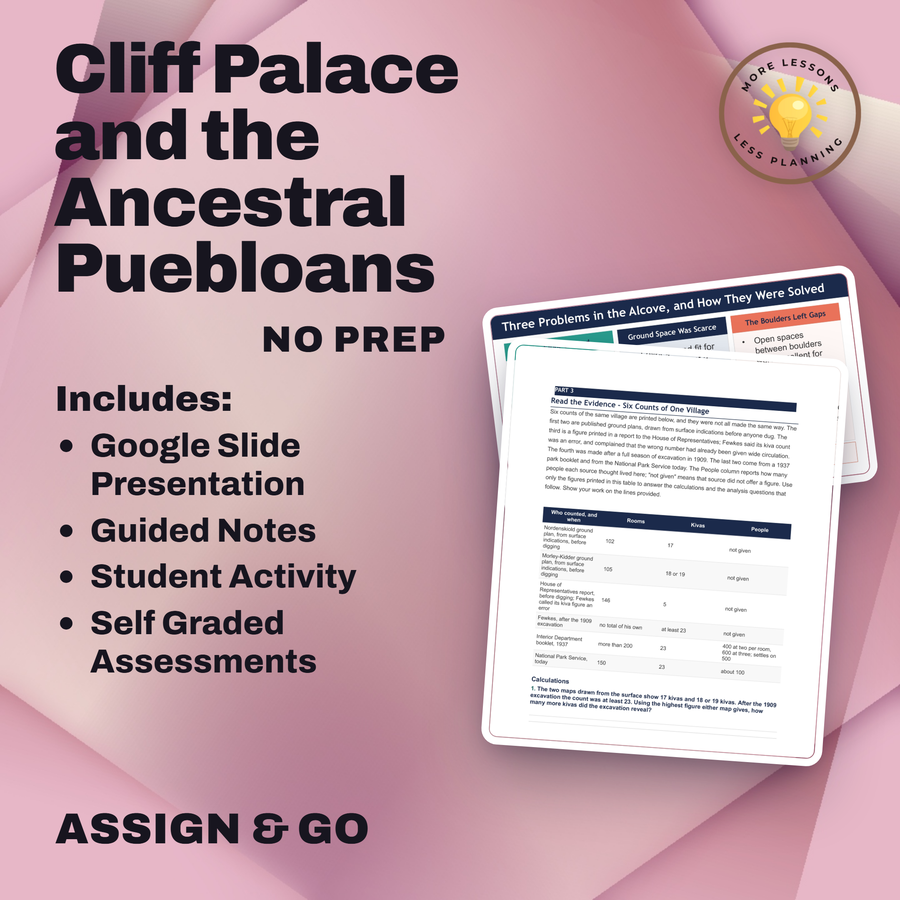
Cliff Palace and the Ancestral Puebloans
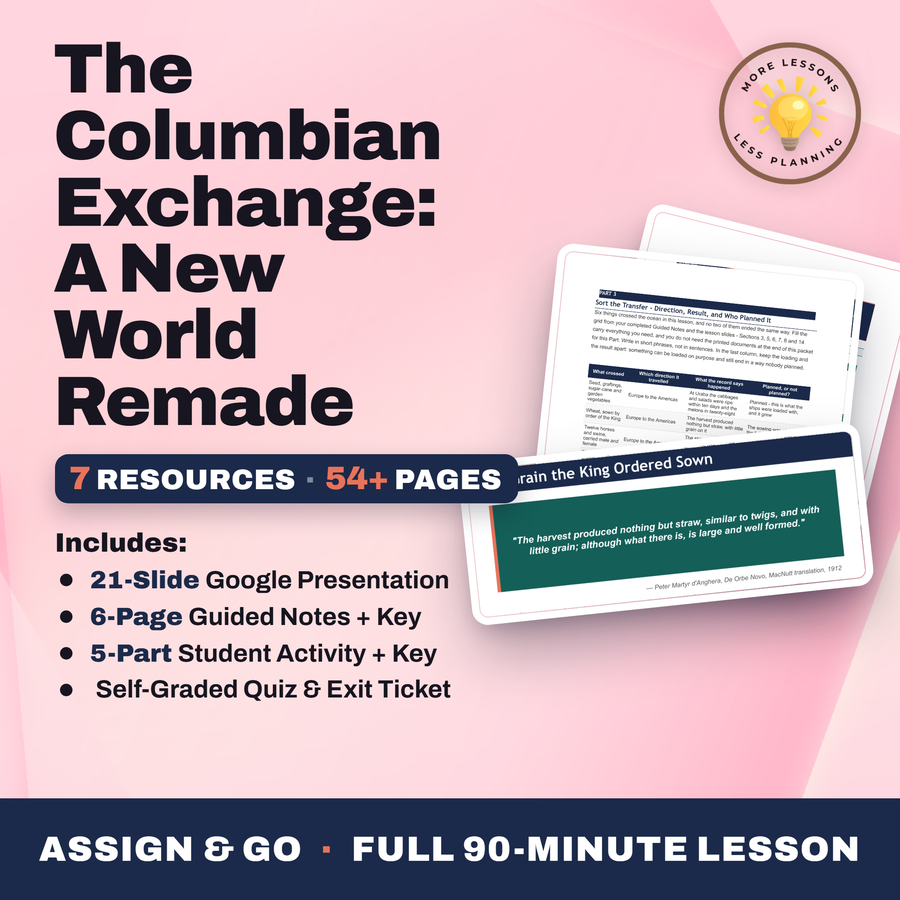
The Columbian Exchange: A New World Remade
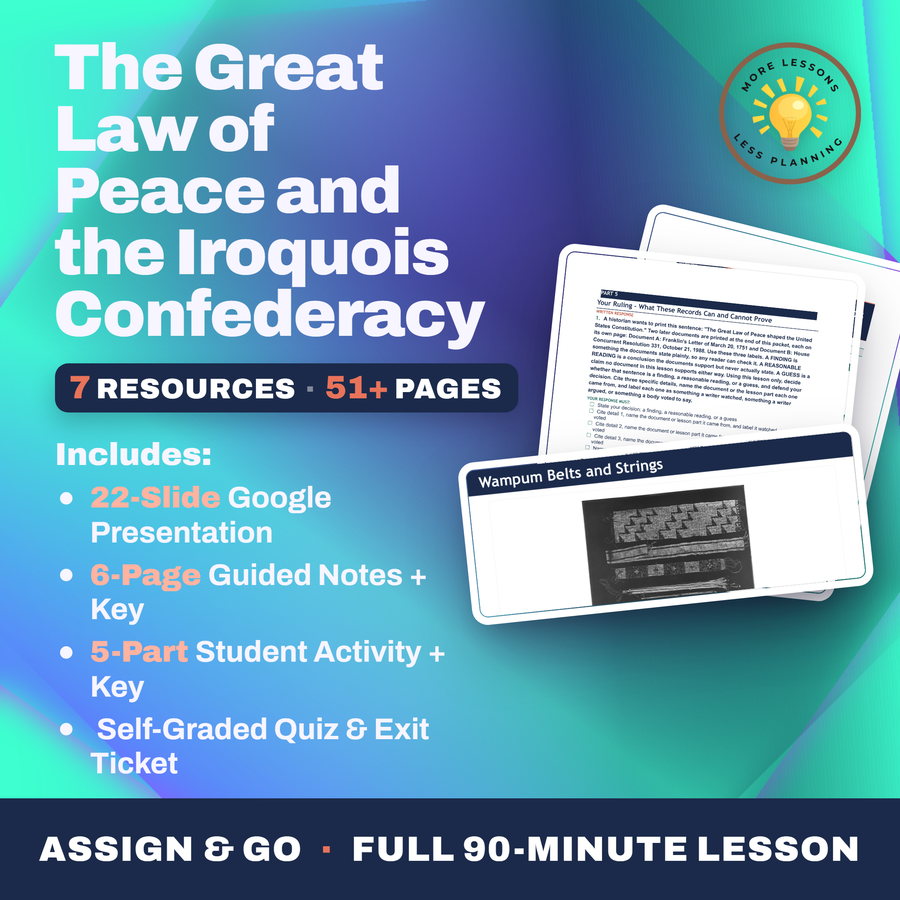
The Great Law of Peace and the Iroquois Confederacy
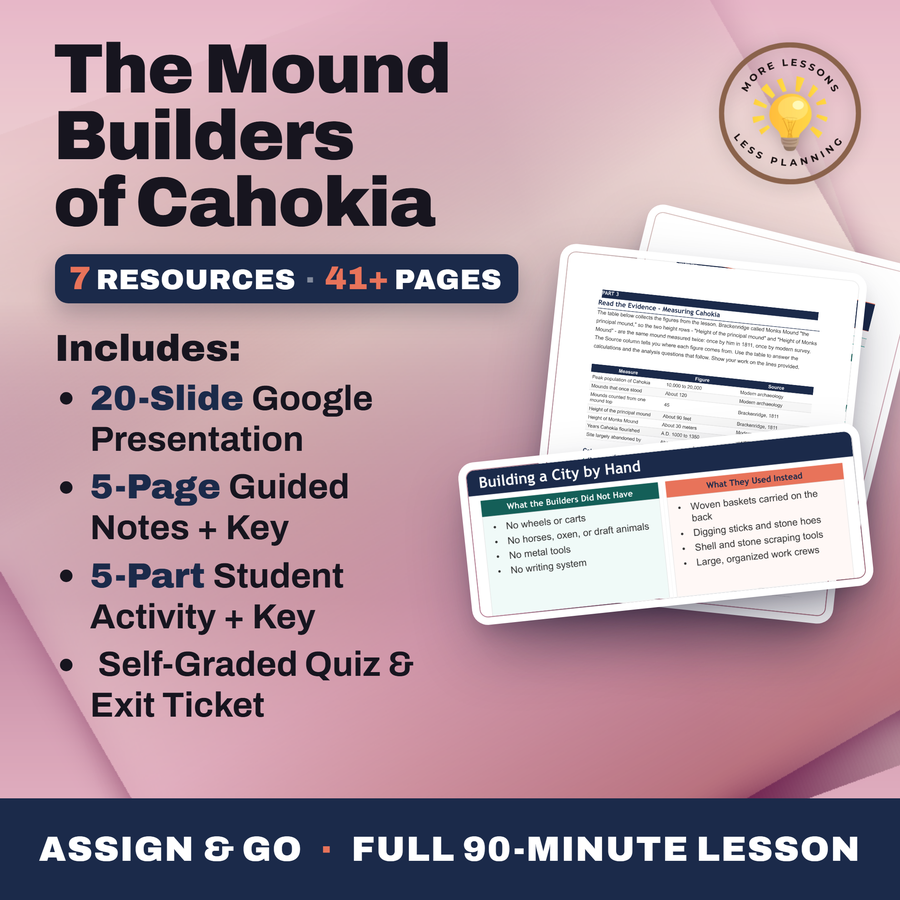
The Mound Builders of Cahokia
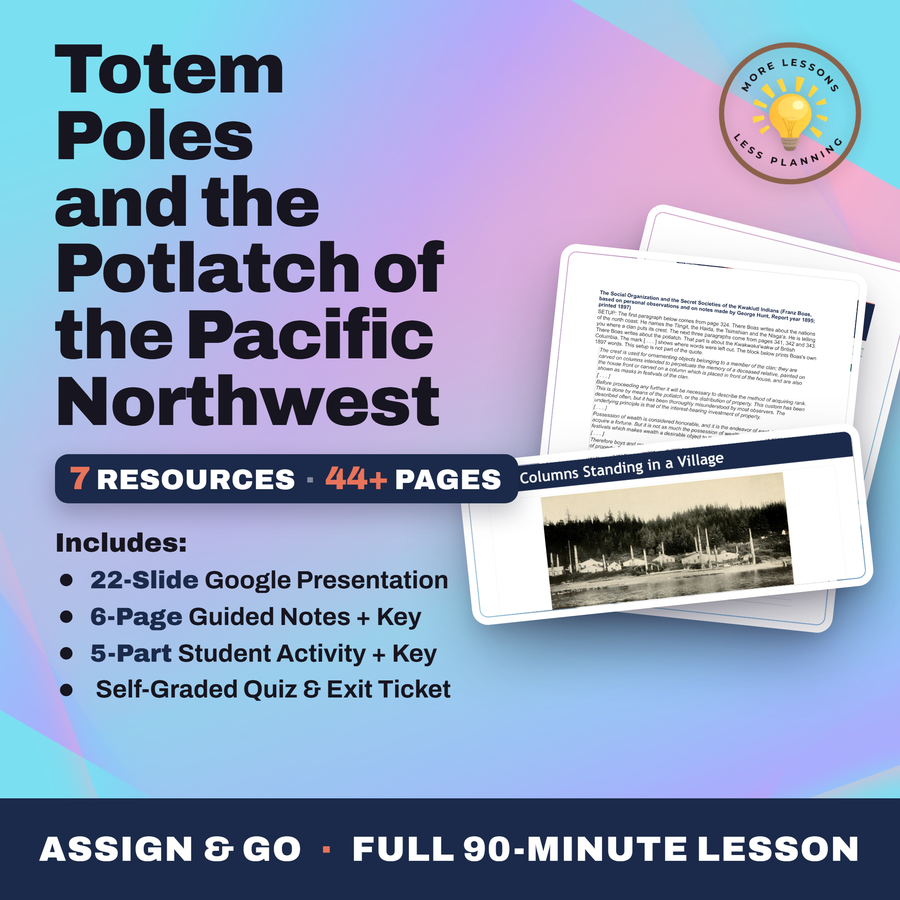
Totem Poles and the Potlatch of the Pacific Northwest
Unit 2: Colonial America
8 toolkits
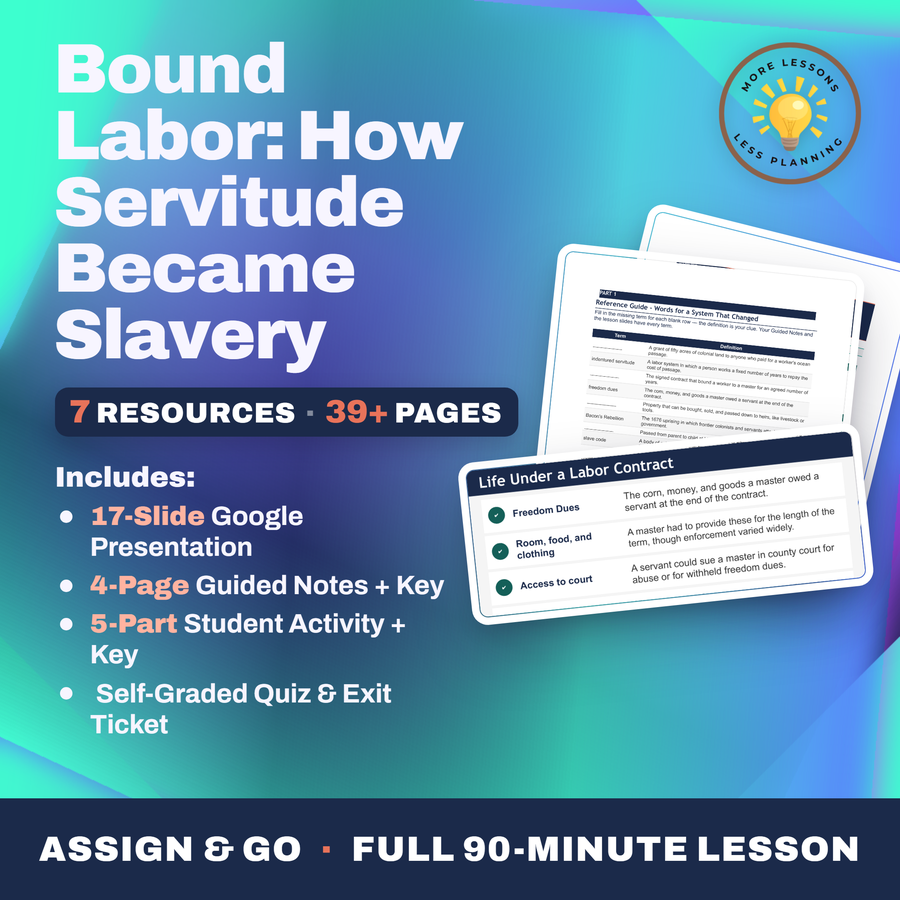
Bound Labor: How Servitude Became Slavery
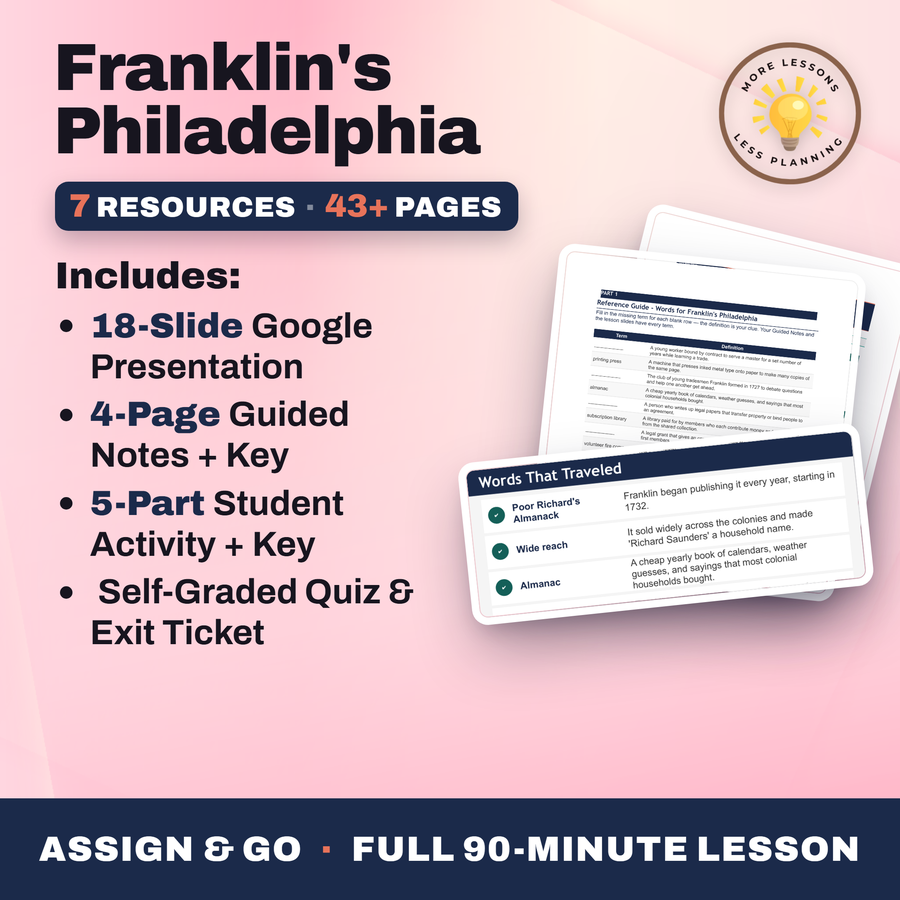
Franklin's Philadelphia
Puritan New England Life
The Great Awakening: Preaching That Crossed the Colonies
The Mayflower Compact
The Salem Witch Trials, 1692
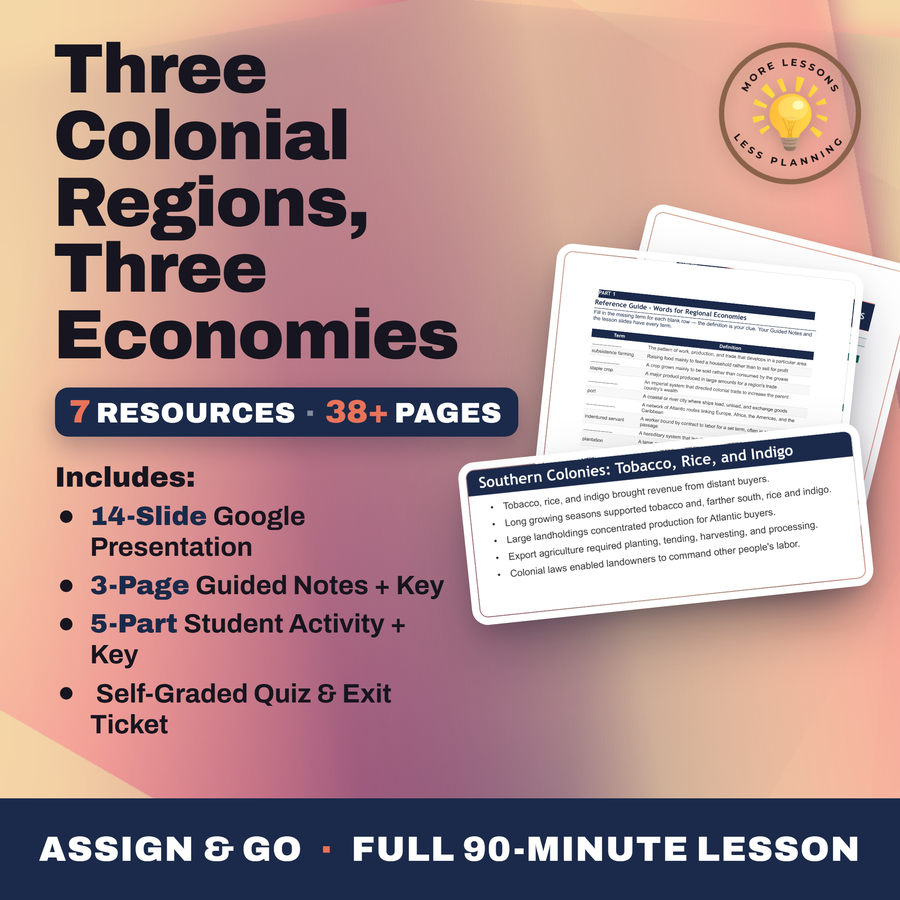
Three Colonial Regions, Three Economies