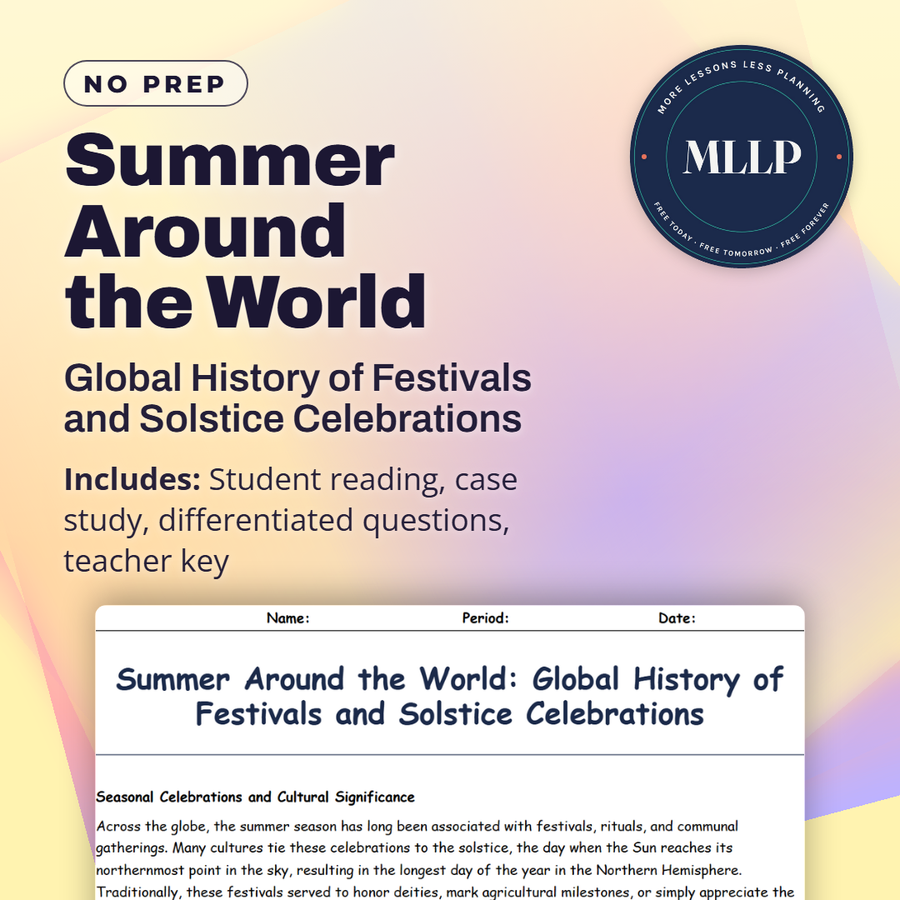
Summer Around the World: Global History of Festivals and Solstice Celebrations
Quality reviewed September 2026
Facts verified September 9, 2026
- Subject
- Social Studies
- Grades
- Grades 9-12
- Length
- 6-page student worksheet
- Time
- About one 50-minute class period
- Great for
- Sub plans and independent work
- Includes
- Reading passage, comprehension questions + full answer key
- Format
- Print-and-go PDF
What students do
- Analyze how Ekeby's language cards and etiquette guidelines preserved festival tradition while welcoming international visitors
- Compare summer festivals across cultures to identify common themes and unique regional expressions
- Evaluate the risks of cultural commodification when sacred rituals become tourist attractions
- Explain how astronomical events like the summer solstice unite humanity across geographical and cultural boundaries
What it covers
- Summer solstice and seasonal celebrations
- Global festivals and cultural exchange
- Balancing tourism with cultural preservation
Start reading this worksheet
Seasonal Celebrations and Cultural Significance
Across the globe, the summer season has long been associated with festivals, rituals, and communal gatherings. Many cultures tie these celebrations to the solstice, the day when the Sun reaches its northernmost point in the sky, resulting in the longest day of the year in the Northern Hemisphere. Traditionally, these festivals served to honor deities, mark agricultural milestones, or simply appreciate the abundance of sunlight. Over centuries, they have evolved, blending religious, historical, and social elements. In northern Europe, Midsummer festivals often feature bonfires, dancing, and floral wreaths to celebrate nature’s fertility. In parts of Asia, summer events can coincide with monsoon shifts or harvest cycles, uniting communities in prayer for favorable weather. Whether it’s the color-drenched Inti Raymi in Peru—an Incan ceremony venerating the Sun god—or Japan’s Obon, a time to honor ancestors, these celebrations highlight how societies adapt their rituals to local climates, spiritual beliefs, and histories. They also emphasize community bonding, as entire towns gather for festivities, reinforcing shared identity and cultural memory. While the specifics differ from place to place, one common thread is the sense of transition. Summer solstice can feel like a turning point—be it the peak of sunlight or the onset of rainy seasons. For many, it carries a certain mysticism or reverence, prompting feasts, music, and dance that pay homage to the Earth’s cycles. In modern times, these festivals attract tourists eager to witness vibrant local traditions, bridging the gap between ancient customs and contemporary global interest.
Global Festivals and Cultural Exchange
In the era of global travel and social media, summer festivals have become platforms for cultural exchange. Tourists attend Europe’s Midsummer festivities, wearing flower crowns, while locals in Peru welcome international visitors to witness elaborate Inti Raymi reenactments in Cusco’s ancient ruins. This influx of outsiders can spark dialogue, commerce, and new friendships. However, it also raises concerns about cultural commodification, where sacred rites risk being simplified into tourist spectacles for profit. For instance, in Japan’s Obon season, families visit ancestral graves and light lanterns to guide spirits. Many foreigners participate respectfully, learning about Buddhist and Shinto practices. Yet challenges arise when cultural nuances get lost in translation, or festivals become overcrowded, diluting their intimate atmosphere. Similarly, in India, colorful summer celebrations like Rath Yatra draw global audiences, requiring local authorities to manage both crowd control and cultural authenticity. Despite these challenges, positive collaborations often emerge. Governments may introduce visitor education programs, ensuring tourists grasp the significance of rituals and behave appropriately. In some cases, festival organizers partner with cultural preservation societies, setting guidelines for dress or decorum. These measures aim to preserve the essence of tradition while recognizing the economic benefits of cultural tourism. As a result, summer festivals can be both vibrant community events and inclusive spaces for respectful global participation.
Like what you read? The full reading, the case study, and every question set are in the free download below, along with the answer key.
Why this matters
A town of a few hundred people, hosting visitors who want to watch a tradition five centuries old, has to decide how much of itself to explain and how much to protect. That question sits inside the Midsummer case study, and it applies just as much to Obon in Japan, Inti Raymi in Peru, and the dawn crowd at Stonehenge.
Teaching four unrelated festivals side by side is easy. Teaching students to notice the same tension inside all of them, welcoming outsiders without losing what makes a ritual sacred, is harder, and it turns four separate holiday stories into one argument about how cultures survive contact with the outside world.
From one teacher to another
Every culture marks the sun's turning point differently, and summer solstice celebrations reveal what societies value most. In the Midsummer case study, a small Swedish town faced a real tension: how do you welcome the world to your 500-year-old tradition without turning it into a theme park? Students discover that the town solved it by providing language cards and visitor guidelines, which sounds simple but represents careful thinking about belonging and respect. This worksheet moves across Obon in Japan, Inti Raymi in Peru, and Stonehenge's dawn alignment, showing students that beneath very different practices lives a shared human impulse to mark the year's turning and gather together.
What you get
Download
Where should I send the next one?
Everything here is free and it stays that way. Leave your email and I'll send you the new lessons as they go up. You can unsubscribe from any one of them.
Related resources
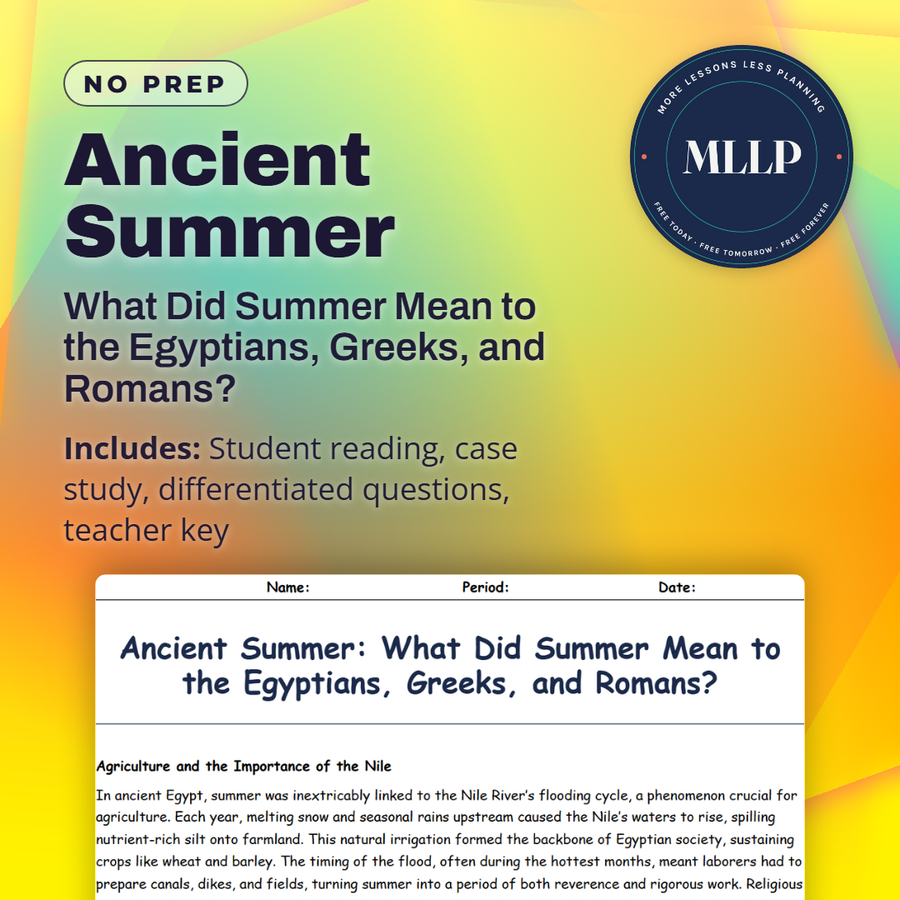
Ancient Summer: What Did Summer Mean to the Egyptians, Greeks, and Romans?
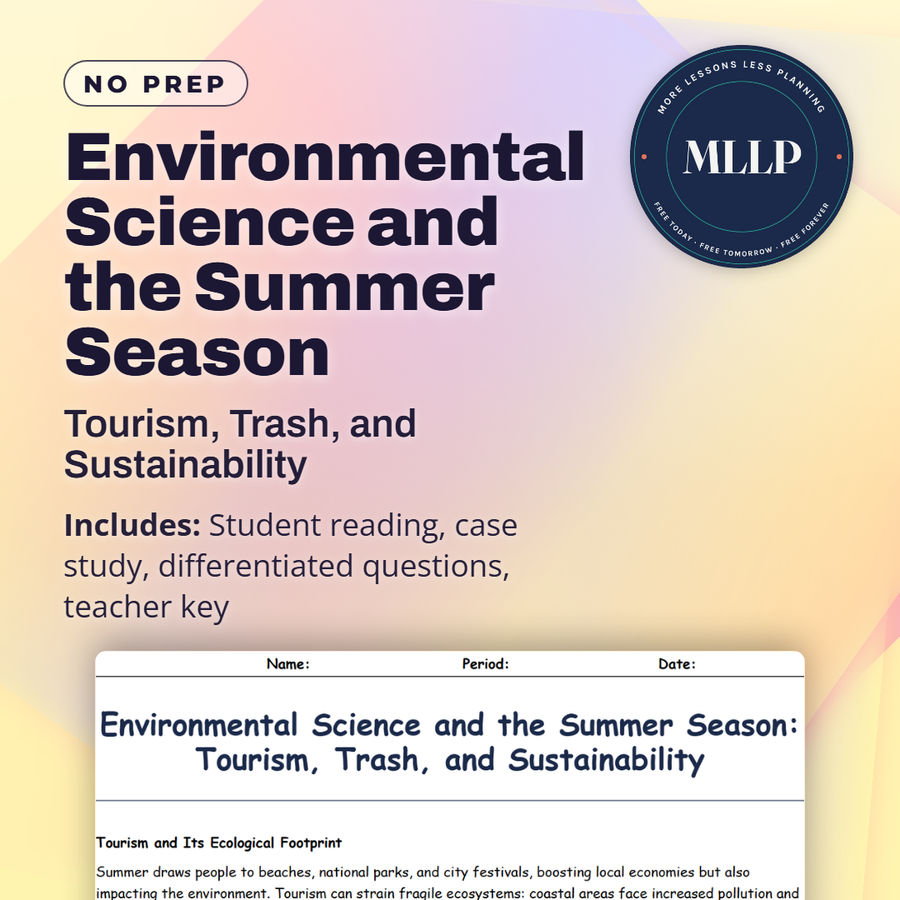
Environmental Science and the Summer Season: Tourism, Trash, and Sustainability

Forensic Files: Summer Crimes and the Science Behind the Cases

Summer Science: The Biology Of Sunscreen And Skin Protection
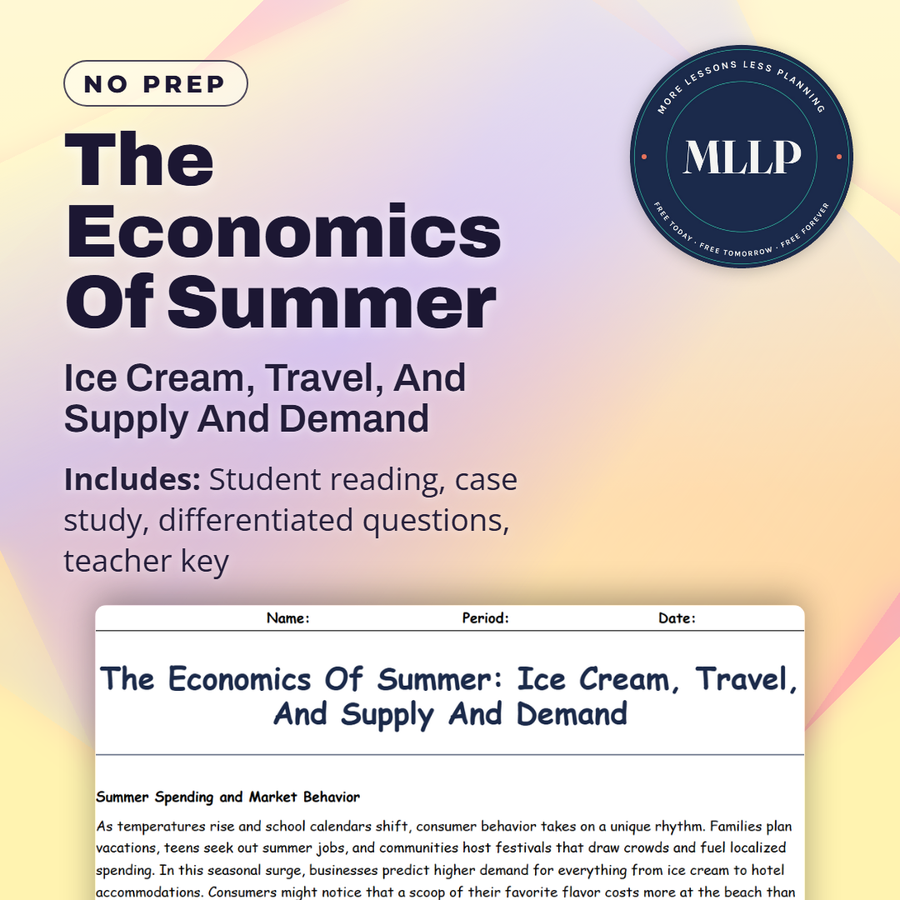
The Economics Of Summer: Ice Cream, Travel, And Supply And Demand

The Health Science of Summer Heat: Hydration, Heatstroke, and Body Systems
Every lesson on this site is free to download and use. If one of them saved you a prep period, you can chip in a few bucks toward my three kids' daycare fund. That's genuinely where tips go.