Native Peoples of North America
Regional lifeways, homes, foodways, and tools for careful elementary Native Peoples history units.
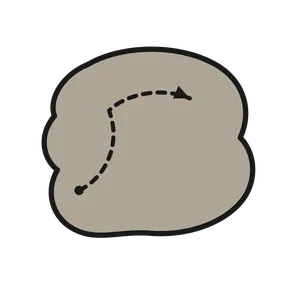
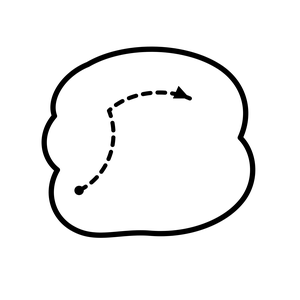
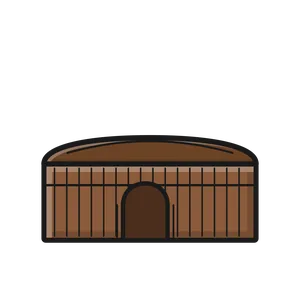
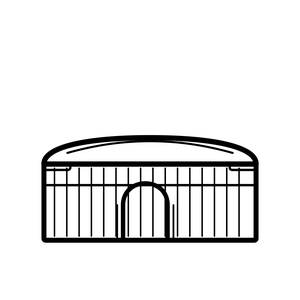
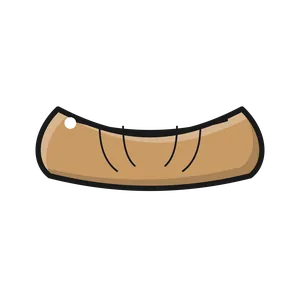
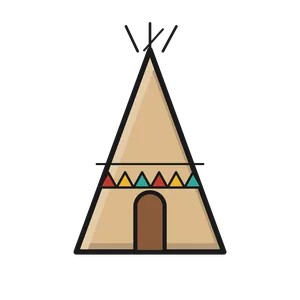
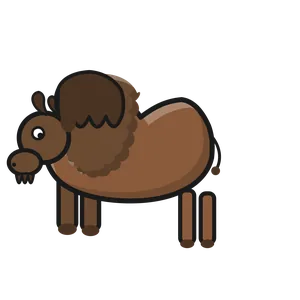
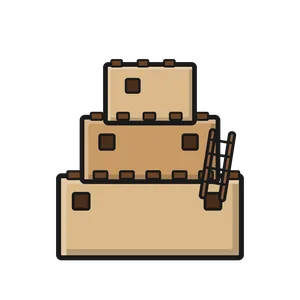
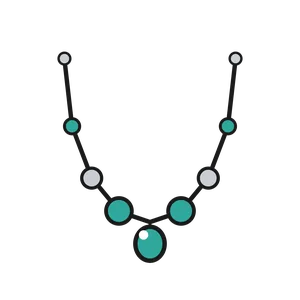
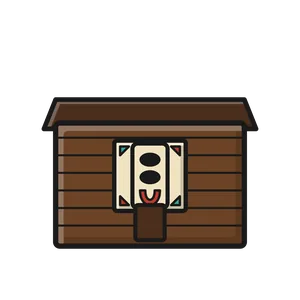
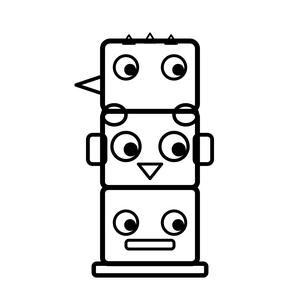
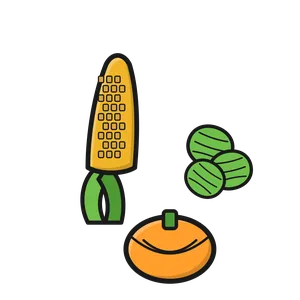
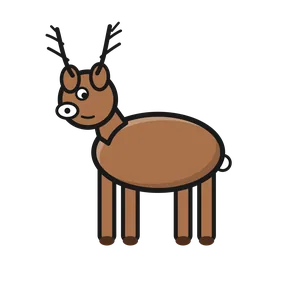
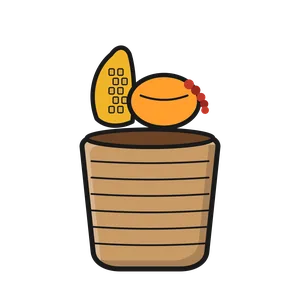
A regional study of Native Peoples needs more care than matching a home or food to a map. I start with place, ingenuity, and the fact that Native nations are living communities today. The images show a stone arrowhead, migration-route diagram, longhouse, birchbark canoe, Plains tipi, buffalo, adobe pueblo, turquoise jewelry, plank house, carved totem pole, corn, beans, squash, salmon, deer, and wild rice. These examples support grades 3 to 5 units on geography, lifeways, technology, agriculture, and sovereignty, but they must be paired with nation-specific sources.
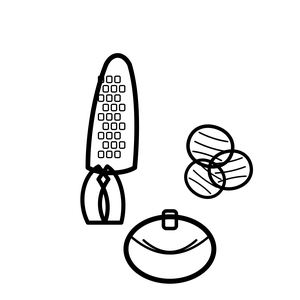
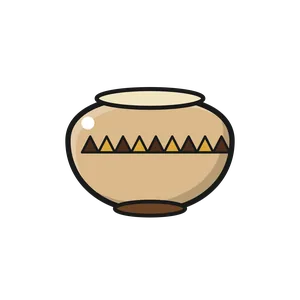
For one activity, I'd give students a color image and a regional map, then ask them to connect materials and environment without turning a cultural item into a stereotype. The matching blackline page becomes a source record where students note the nation, region, date, and evidence from a reliable text. I'd avoid treating one home, food, or artwork as representative of every Native nation. The pictures support the inquiry, but the nation-specific sources do the teaching.
What's inside